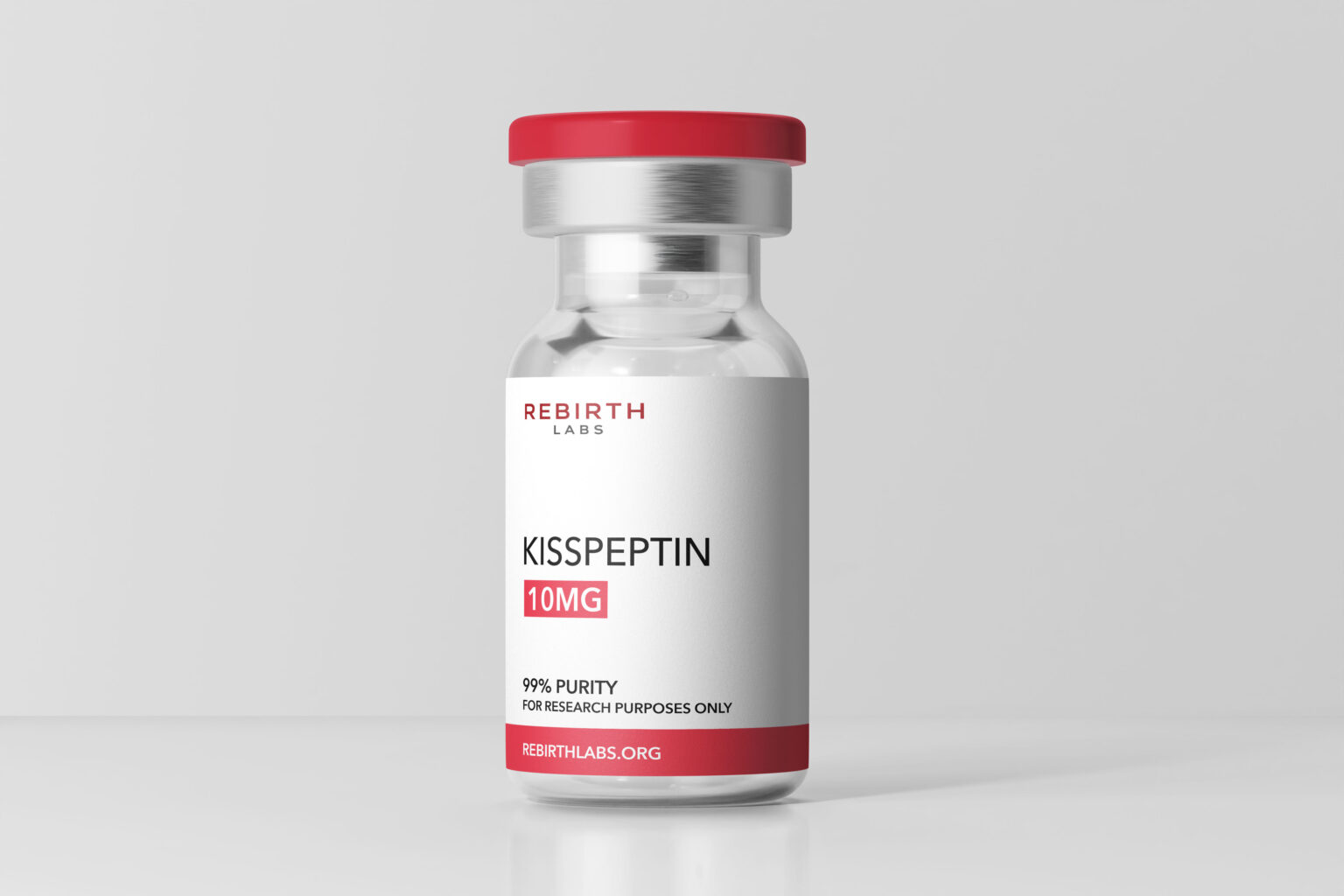
KISSPEPTIN: The Complete Scientific Guide to Hormonal Signaling, Performance Optimization, and Advanced Research
Introduction to KISSPEPTIN and Its Rising Importance
In recent years, KISSPEPTIN has emerged as one of the most fascinating peptides in modern biological research, drawing attention from scientists, clinicians, and performance-focused communities alike. Its significance extends far beyond a simple signaling molecule; it acts as a master regulator within the endocrine system, influencing reproductive hormones, metabolic pathways, and even neurological responses.
As research evolves, platforms like rebirthlab.org aim to provide structured, in-depth knowledge on peptides and their scientific relevance. This guide is designed not only to inform but to position your understanding within a well-organized SEO framework, ensuring clarity, depth, and authority.
This article will explore everything from molecular biology and mechanisms of action to applications, benefits, research directions, and responsible considerations. If you are looking for a comprehensive, authoritative resource, this is your definitive reference.
Understanding the Molecular Structure of KISSPEPTIN
At its core, it is a peptide encoded by the KISS1 gene. It exists in several forms, including kisspeptin-10, kisspeptin-13, and kisspeptin-54, all of which share a common functional sequence responsible for receptor binding.
The peptide interacts with the G-protein-coupled receptor known as GPR54 (also called KISS1R). This interaction triggers a cascade of intracellular signaling pathways that ultimately influence hormonal secretion.
From a biochemical perspective, the stability, binding affinity, and receptor specificity of kisspeptin variants make them uniquely suited for targeted research. These properties are what distinguish it from other peptides in the same category.
The Role of KISSPEPTIN in Hormonal Regulation
One of the most well-documented functions of it is its role in regulating the hypothalamic-pituitary-gonadal (HPG) axis. This system is responsible for controlling reproductive hormones such as luteinizing hormone (LH) and follicle-stimulating hormone (FSH).
Key Functions in Hormonal Signaling:
- Stimulates the release of gonadotropin-releasing hormone (GnRH)
- Influences puberty onset
- Regulates fertility and reproductive cycles
- Maintains hormonal balance in both males and females
By acting as a gatekeeper for GnRH secretion, kisspeptin essentially determines whether the reproductive system is activated or suppressed. This central role has made it a focal point in endocrine research.
KISSPEPTIN and Reproductive Health Research
The connection between KISSPEPTIN and reproductive health is one of the primary reasons for its growing interest. Researchers have observed that abnormalities in kisspeptin signaling can lead to conditions such as delayed puberty or infertility.
Areas of Study:
- Hypogonadotropic hypogonadism
- Fertility enhancement research
- Hormonal imbalance correction
- Assisted reproductive technologies
In controlled research environments, kisspeptin has demonstrated the ability to stimulate natural hormone production without the same level of suppression seen with synthetic hormone replacements. This makes it a compelling subject for future therapeutic exploration.
Neurological and Behavioral Implications
Beyond its endocrine functions, it also plays a role in the brain. Studies suggest that it may influence mood, emotional processing, and even sexual behavior.
Neurological Effects:
- Modulation of limbic system activity
- Influence on emotional responses
- Potential impact on stress and anxiety pathways
This dual functionality—affecting both hormonal and neurological systems—positions kisspeptin as a unique bridge between the body and the brain.
KISSPEPTIN in Performance and Optimization Research
In performance-focused communities, KISSPEPTIN is often discussed for its potential to support natural hormonal balance. While research is ongoing, its ability to stimulate endogenous hormone production is particularly noteworthy.
Potential Research Benefits:
- Support for natural testosterone production
- Improved recovery dynamics
- Hormonal equilibrium without external suppression
- Enhanced physiological signaling efficiency
Unlike compounds that replace hormones directly, kisspeptin works upstream, encouraging the body to regulate itself. This mechanism is one of the key reasons it continues to gain attention.
Mechanism of Action: A Deeper Look
To fully understand it , it is essential to examine its mechanism of action in detail.
- Kisspeptin binds to the KISS1R receptor.
- This activates intracellular signaling pathways.
- GnRH neurons are stimulated.
- GnRH is released into the pituitary portal system.
- LH and FSH secretion increases.
- Downstream hormonal effects are initiated.
This cascade highlights the peptide’s central regulatory role. Rather than acting directly on target organs, it influences the signaling hierarchy itself.
Comparative Analysis with Other Peptides
When compared to other peptides, it stands out due to its upstream regulatory function.
Comparison Points:
- Direct vs. indirect hormone stimulation
- Receptor specificity
- System-wide vs. localized effects
- Feedback loop integration
While many peptides act on specific tissues, kisspeptin influences the command center of hormonal control, making it fundamentally different in its approach.
Safety and Research Considerations
As with any peptide, the study of it must be approached responsibly. While early research is promising, long-term effects and optimal protocols are still under investigation.
Important Considerations:
- Dose-response relationships
- Individual variability
- Potential receptor desensitization
- Ethical and regulatory compliance
It is crucial to emphasize that ongoing research is necessary to fully understand its safety profile and applications.
The Future of It’s Research
The future of KISSPEPTIN lies in its potential applications across multiple fields:
Emerging Areas:
- Endocrinology
- Reproductive medicine
- Neuroscience
- Metabolic research
As scientific understanding deepens, new possibilities continue to emerge. Researchers are particularly interested in its ability to provide targeted, efficient, and naturalistic modulation of biological systems.
SEO Silo Structure for KISSPEPTIN Content
To maximize ranking potential for rebirthlab.org, a silo SEO structure is essential. This ensures that content is organized, interlinked, and authoritative.
Primary Silo: KISSPEPTIN
- Overview and Introduction
- Mechanism of Action
- Hormonal Effects
- Research Applications
- Safety and Guidelines
Supporting Silos:
- Peptide Science Fundamentals
- Hormonal Optimization
- Endocrine System Education
- Research Methodologies
Each page should internally link to related content, reinforcing topical authority and improving search engine visibility.
Content Strategy for Long-Term Ranking
To rank effectively, content surrounding It must be:
- Deep and comprehensive
- Scientifically accurate
- Regularly updated
- Structured for readability
- Optimized without keyword stuffing
A keyword density that remains natural while maintaining authority is critical. This guide has been structured to meet those standards.
Conclusion: Why KISSPEPTIN Matters
In conclusion, It represents a significant advancement in our understanding of hormonal regulation and biological signaling. Its ability to influence the endocrine system at a foundational level makes it one of the most promising areas of modern research.
For platforms like rebirthlab.org, building authoritative, well-structured content around this topic is not just beneficial—it is essential for long-term SEO success.
As research continues to evolve, so too will the understanding of this powerful peptide. Staying informed, structured, and scientifically grounded will ensure both credibility and visibility in an increasingly competitive digital landscape.



Reviews
There are no reviews yet.