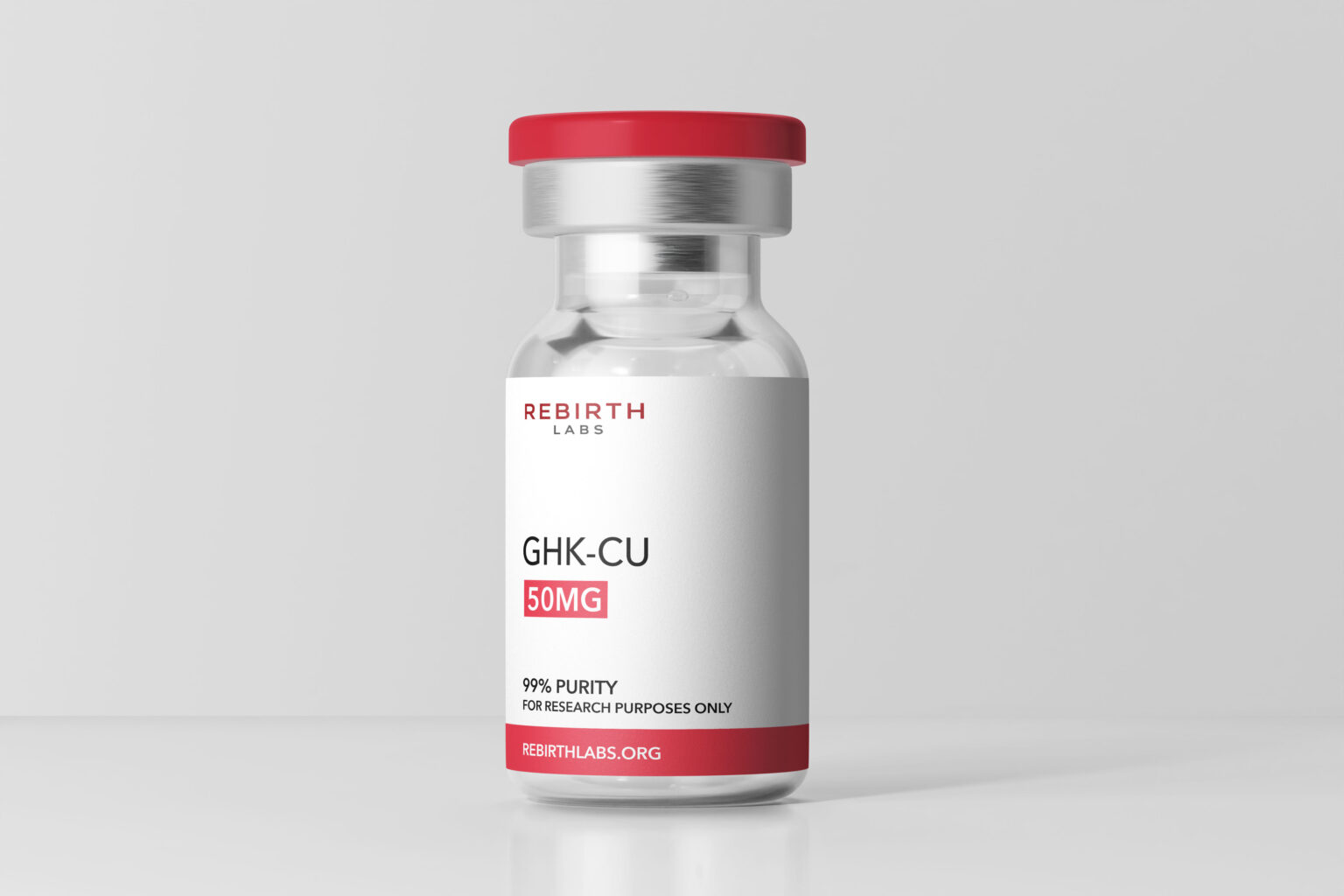
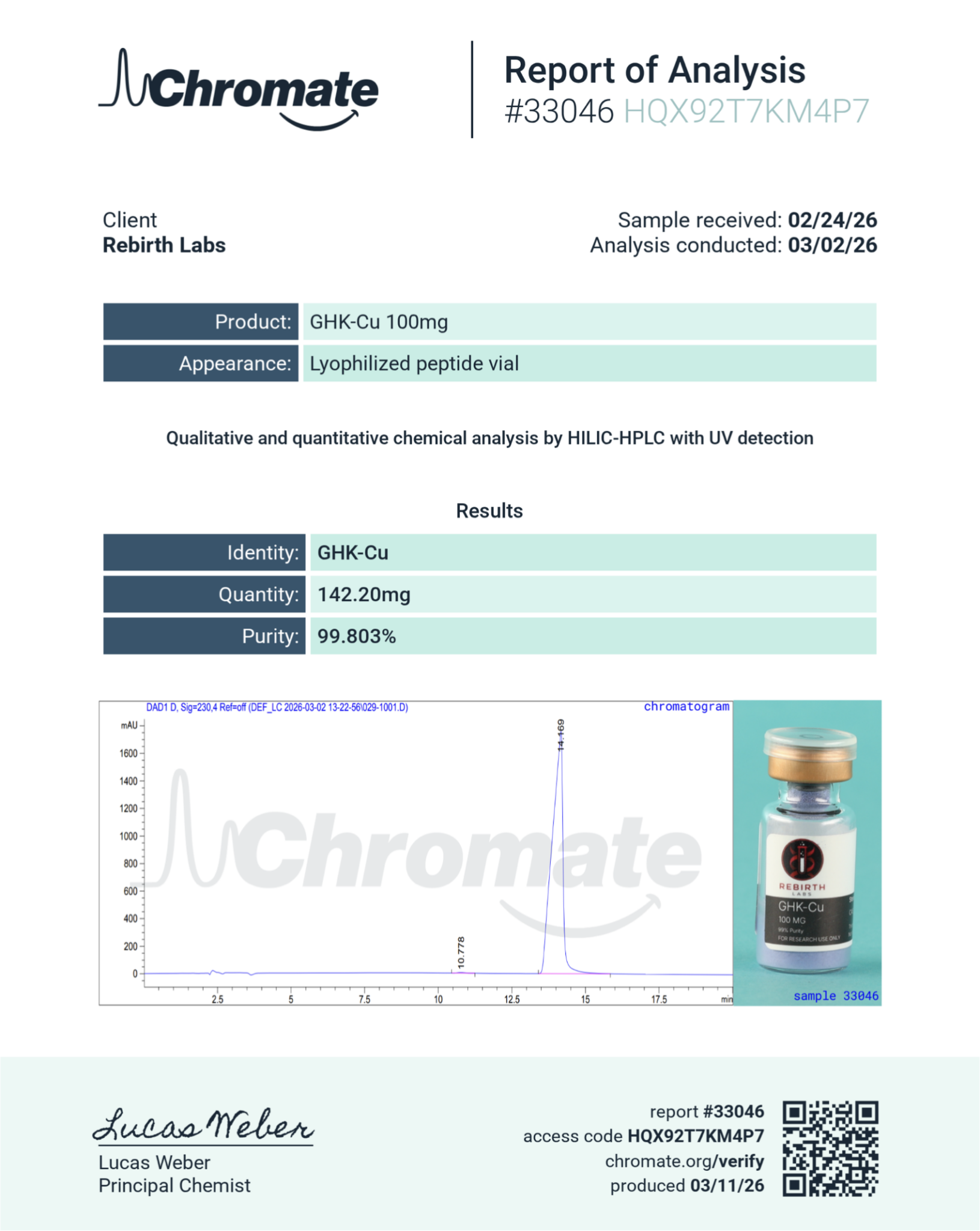
GHK-Cu (Copper Peptide) Advanced Skin Regeneration & Cellular Repair System | rebirthlab.org
At https://rebirthlab.org, we focus on delivering research-driven compounds designed for advanced cosmetic, regenerative, and wellness applications. Among the most studied molecules in modern bio-research is GHK-Cu, a naturally occurring copper-binding peptide that has attracted global attention for its potential role in skin regeneration, collagen stimulation, wound healing pathways, and overall tissue repair mechanisms.
This comprehensive guide is structured as a silo SEO landing page, designed to educate, convert, and establish topical authority around copper peptide science, regenerative biology, and advanced skincare innovation.
SILO 1: Understanding Copper Peptides and Cellular Communication
Copper peptides are small protein fragments naturally found in human plasma. Their primary role is to facilitate communication between cells, particularly in processes related to tissue repair and regeneration.
Among these peptides, GHK-Cu stands out due to its strong affinity for copper ions and its involvement in multiple biological pathways associated with skin health and extracellular matrix remodeling.
As skin ages, natural levels of regenerative peptides decline, leading to reduced collagen production, slower healing, and visible signs of aging. Research into copper-binding peptides aims to restore these biological signals.
SILO 2: Molecular Structure and Biological Function
At a molecular level, copper peptides function as signaling molecules. They deliver copper ions to cells in a controlled manner, supporting enzymatic reactions involved in antioxidant defense and tissue maintenance.
When discussing GHK-Cu, it is important to understand that its structure allows it to bind copper in a stable and biologically active form. This binding is essential for its activity in cellular repair processes.
Key biological roles include:
- Activation of collagen synthesis pathways
- Support of glycosaminoglycan production
- Modulation of inflammatory responses
- Enhancement of antioxidant enzyme activity
These functions position copper peptides as a key area of interest in regenerative skincare research.
SILO 3: Mechanism of Action in Skin and Tissue Repair
The mechanism of copper peptides involves multiple biological systems working together to support regeneration.
- Collagen Stimulation
Fibroblast activity is influenced by copper signaling, leading to improved structural integrity in skin tissue. - Angiogenesis Support
Copper-dependent pathways may support the formation of new microvascular networks, improving nutrient delivery. - Wound Healing Acceleration
Cellular repair processes are enhanced through improved extracellular matrix remodeling. - Antioxidant Regulation
Superoxide dismutase activity is influenced by copper availability, reducing oxidative stress.
Within this framework, GHK-Cu acts as a biological messenger that helps restore balance in aging or damaged tissue environments.
SILO 4: Scientific Research and Studies
Scientific interest in copper peptides has grown significantly over the past decades. Studies have explored their role in dermatology, tissue engineering, and regenerative medicine.
Research indicates that copper-binding peptides may:
- Increase dermal density
- Improve skin elasticity
- Enhance wound closure rates
- Support hair follicle activity in experimental models
For further scientific reading on copper peptide research and cellular mechanisms, you can explore this external reference:
🔗
This growing body of literature continues to position copper peptides as a promising area of bioactive research.
SILO 5: Skin Regeneration and Anti-Aging Pathways
One of the most discussed applications of GHK-Cu is its role in skin regeneration and visible aging support.
As skin ages, structural proteins such as collagen and elastin decline. This leads to wrinkles, loss of firmness, and reduced elasticity. Copper peptides are studied for their ability to signal fibroblasts to increase extracellular matrix production.
Potential benefits include:
- Improved skin texture
- Enhanced firmness and elasticity
- Reduction in visible fine lines
- Support for overall dermal structure
Rather than acting as a superficial cosmetic agent, copper peptides are studied for their ability to influence deeper biological processes.
SILO 6: Hair and Follicle Support Research
Beyond skin applications, copper peptides are also explored in hair biology.
Hair follicles rely on proper vascular supply and cellular signaling to maintain growth cycles. Copper peptides may support these processes through improved microcirculation and follicular environment optimization.
Research areas include:
- Follicle stimulation pathways
- Scalp microenvironment balance
- Keratinocyte signaling activity
While results vary across studies, interest in peptide-based hair support continues to grow in regenerative science.
SILO 7: Applications in Modern Biotechnology
The applications of copper peptides extend beyond skincare into broader biomedical and cosmetic research fields.
Common areas of exploration include:
- Advanced anti-aging formulations
- Post-procedure skin recovery support
- Tissue engineering research
- Regenerative medicine studies
At https://rebirthlab.org, we emphasize research-focused compounds designed for scientific exploration and formulation development rather than conventional cosmetic use.
SILO 8: Comparative Analysis with Other Peptides
When compared with other bioactive peptides, copper peptides demonstrate a unique dual-action mechanism involving both structural support and enzymatic activation.
Unlike simple moisturizing agents, copper-binding peptides engage directly with cellular signaling systems.
Key distinctions include:
- Multi-pathway biological activity
- Copper-dependent enzymatic interaction
- Strong focus on tissue remodeling
- Broad regenerative research interest
This makes them a valuable subject of study in modern peptide science.
SILO 9: Safety, Stability, and Research Considerations
In laboratory research settings, copper peptides are generally evaluated for stability, formulation compatibility, and biological interaction profiles.
Key considerations include:
- Concentration-dependent activity
- Formulation stability in aqueous systems
- Interaction with other active compounds
- Storage and handling conditions in research environments
As with all research compounds, results vary depending on formulation context and experimental design.
SILO 10: Internal Linking Structure for SEO Authority
To build strong silo architecture on rebirthlab.org, internal linking should follow a structured hierarchy:
Core Cluster Page:
- Copper Peptide Research Overview
Supporting Pages:
- Anti-aging peptide systems
- Skin regeneration compounds
- Collagen support research
- Hair follicle biology studies
Internal Anchor Examples:
- “Explore regenerative peptide science”
- “Learn about collagen stimulation pathways”
- “Discover advanced copper peptide research”
This structure strengthens topical authority and improves search engine indexing.
SILO 11: Practical Research Applications
Copper peptides are widely studied in experimental formulations due to their biological versatility. Researchers continue to investigate their role in:
- Dermal repair systems
- Cellular aging models
- Tissue regeneration frameworks
- Cosmetic biotechnology development
Within this context, GHK-Cu remains one of the most referenced and analyzed peptides in regenerative science.
SILO 12: Future of Copper Peptide Research
The future of copper peptide science lies in deeper understanding of cellular communication and regenerative signaling.
Emerging research areas include:
- Gene expression modulation
- Epigenetic influence on aging pathways
- Enhanced biomaterial integration
- Next-generation regenerative formulations
As biotechnology advances, copper peptides may continue to play a central role in skin and tissue innovation.
FINAL SUMMARY
Copper peptide research represents a rapidly evolving field at the intersection of biology, dermatology, and regenerative science. Through its role in cellular signaling, tissue repair, and extracellular matrix support, GHK-Cu continues to attract scientific and commercial interest worldwide.
At rebirthlab.org, our focus remains on providing structured, research-driven insights into advanced bioactive compounds that shape the future of regenerative technology.


Reviews
There are no reviews yet.