
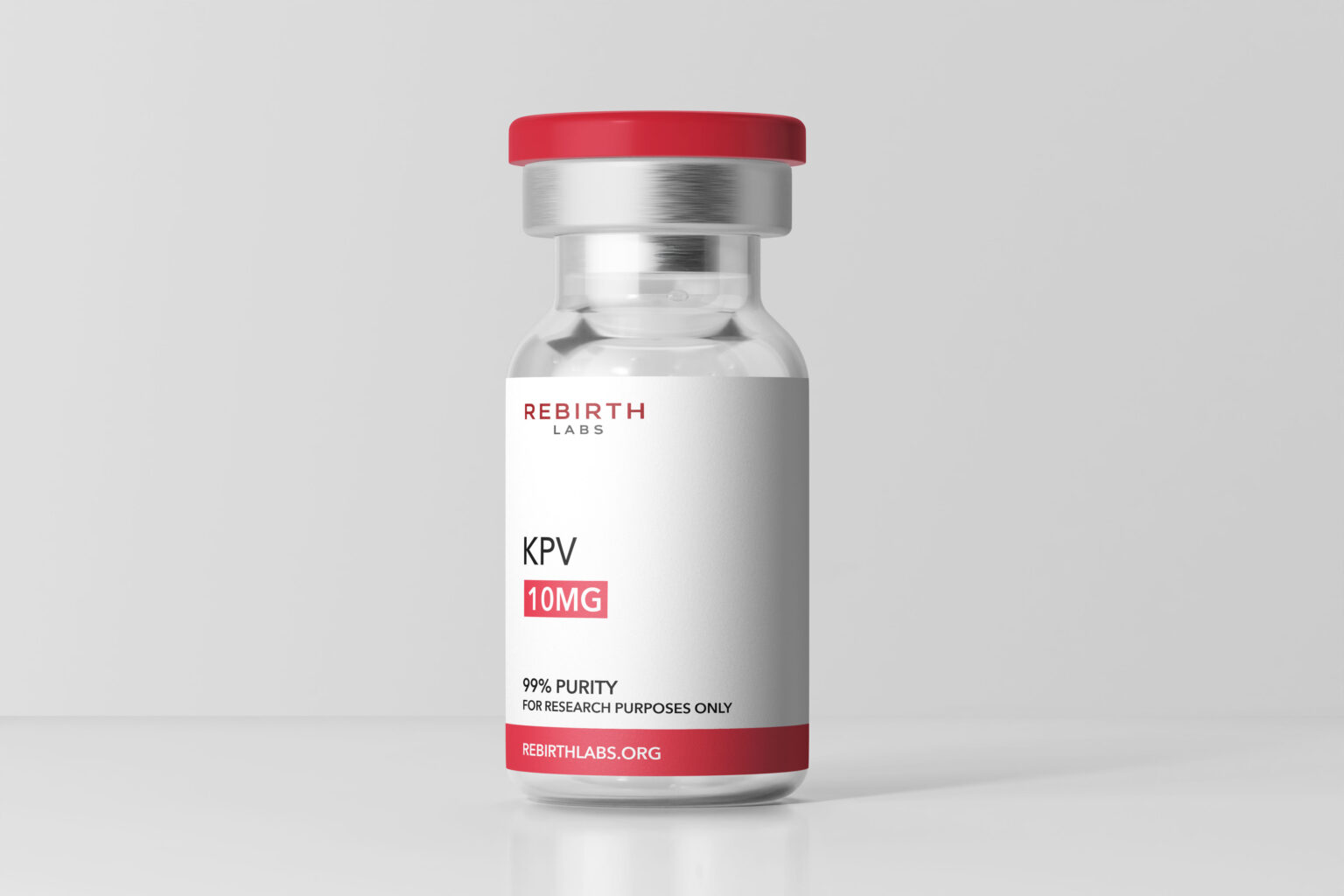
KPV Peptide: A Comprehensive Guide to Its Potential, Science, and Applications
In the evolving world of peptide research and advanced wellness science, few compounds have generated as much interest as KPV. As researchers and health enthusiasts continue to explore the boundaries of biological optimization, this small yet powerful peptide has emerged as a topic of increasing relevance.
For those visiting https://rebirthlab.org, understanding the science, applications, and positioning of it within the broader peptide landscape is essential—not just for knowledge, but for making informed decisions in a rapidly expanding field.
This in-depth guide is designed to provide a classic, authoritative, and SEO-optimized exploration of it, while maintaining clarity, depth, and credibility. Whether you are new to peptides or already familiar with advanced compounds, this article will serve as a foundational resource.
What Is KPV?
KPV is a short peptide composed of three amino acids: Lysine (K), Proline (P), and Valine (V). It is derived from a larger hormone known as alpha-melanocyte-stimulating hormone (α-MSH), which plays a role in regulating inflammation, immune response, and skin pigmentation.
Unlike many larger peptides, it is valued for its simplicity and targeted biological activity. Its compact structure allows it to interact efficiently with certain pathways in the body, particularly those associated with inflammation modulation.
The Origins and Scientific Background
To fully understand it, it’s important to explore its biological origin.
α-MSH, the parent compound of it, is part of the melanocortin family—peptides that influence a wide range of physiological processes including:
- Immune system signaling
- Anti-inflammatory responses
- Energy homeostasis
- Skin and pigmentation pathways
Researchers discovered that specific fragments of α-MSH retained significant biological activity. Among these fragments, It stood out due to its anti-inflammatory properties without broader systemic effects, making it an attractive subject for focused study.
Mechanism of Action
It’s primary area of interest lies in its interaction with inflammatory pathways.
1. Cytokine Modulation
It has been studied for its ability to influence cytokine production. Cytokines are signaling molecules that regulate inflammation. By modulating these signals, It may help balance inflammatory responses.
2. NF-κB Pathway Interaction
One of the most significant pathways involved in inflammation is NF-κB. Research suggests that it may inhibit this pathway, reducing the expression of pro-inflammatory genes.
3. Barrier Function Support
Some studies indicate that it may play a role in supporting epithelial barrier integrity, particularly in the gut and skin.
Why KPV Is Gaining Attention
The growing interest in it is not accidental. Several factors contribute to its rising popularity:
Targeted Action
Unlike broader compounds, it appears to act specifically on inflammation-related pathways without extensive systemic effects.
Simplicity
Its short amino acid chain makes it easier to study, synthesize, and analyze compared to larger peptides.
Versatility in Research
It is being explored in multiple areas, including dermatology, gastrointestinal studies, and immune system research.
Potential Research Applications
While KPV is still under scientific investigation, it has been explored in several key areas:
1. Skin and Dermatological Research
KPV has been studied for its potential role in:
- Reducing redness and irritation
- Supporting skin barrier repair
- Modulating inflammatory skin conditions
2. Gastrointestinal Studies
Research into gut health has examined KPV’s potential to:
- Support intestinal barrier integrity
- Influence inflammatory bowel conditions
- Promote a balanced gut environment
3. Immune System Modulation
KPV’s interaction with cytokines makes it relevant in studies focused on immune response regulation.
KPV vs Other Peptides
To understand its place in the peptide world, it helps to compare KPV with other compounds:
KPV vs BPC-157
While BPC-157 is often associated with tissue repair and healing, KPV is more focused on inflammation modulation.
KPV vs TB-500
TB-500 is typically linked to cellular migration and recovery processes, whereas KPV targets immune signaling pathways.
KPV vs Melanotan Peptides
Since KPV is derived from α-MSH, it shares a lineage with melanotan peptides. However, it does not primarily influence pigmentation, making it distinct in function.
Quality and Sourcing Considerations
When exploring peptides, quality is critical. For platforms like https://rebirthlab.org, ensuring high standards is essential for credibility and user trust.
Purity Standards
Look for peptides that meet high purity levels, typically verified through third-party testing.
Storage Conditions
Peptides require proper storage to maintain stability. Temperature, light exposure, and handling all play a role.
Transparency
Reputable sources provide clear documentation, including certificates of analysis (COAs).
The Role of Research and Responsibility
It is important to approach KPV with a research-oriented mindset. While promising, it is still under scientific investigation.
Key Considerations
- KPV is not universally approved for medical use
- Research is ongoing and evolving
- Individual responses may vary
Maintaining a responsible and informed perspective ensures that interest in peptides remains grounded in science.
The Future of KPV Research
The trajectory of KPV research suggests continued expansion. As interest in targeted peptides grows, compounds like KPV are likely to play a larger role in:
- Precision health research
- Advanced inflammation studies
- Personalized wellness approaches
Emerging technologies and improved research methodologies will further clarify its potential.
SEO Perspective: Why KPV Matters
From a digital standpoint, KPV represents a high-interest, niche keyword with growing search volume. For websites like Rebirth Lab, focusing on well-structured, authoritative content can significantly improve visibility.
Content Strategy Elements
- Long-form educational articles
- Clear keyword placement (without overuse)
- Structured headings and readability
- Credible, research-based information
By aligning content with user intent, websites can establish authority in the peptide niche.
Integrating KPV Into a Broader Knowledge Framework
Rather than viewing KPV in isolation, it should be understood within the larger context of peptide science.
Key Connections
- Relationship to melanocortin peptides
- Role in inflammation research
- Intersection with gut and skin health studies
This holistic perspective enhances both understanding and content quality.
Common Questions About KPV
Is it a hormone?
No, it is a peptide fragment derived from a hormone.
Is it widely studied?
Research is ongoing, with increasing interest in its properties.
What makes It unique?
Its short structure and targeted action distinguish it from many other peptides.
Building Authority Around KPV Content
To rank effectively, content must go beyond surface-level explanations.
Depth and Clarity
Providing detailed explanations builds trust and engagement.
Consistency
Regularly updating content ensures relevance.
User Experience
Readable formatting and logical flow improve retention.
The Importance of Balanced Information
In the peptide space, accuracy is crucial. Overstated claims can undermine credibility.
Best Practices
- Present research-based insights
- Avoid exaggerated promises
- Maintain a neutral, informative tone
Conclusion
It stands at the intersection of simplicity and scientific intrigue. Its compact structure, targeted action, and expanding research base make it a compelling subject within peptide science.
For visitors to https://rebirthlab.org, understanding it is not just about a single compound—it’s about engaging with a broader movement toward precision, research-driven wellness.
As science continues to evolve, so too will our understanding of peptides like it. Staying informed, critical, and curious is the best approach in navigating this dynamic field.
Final Thoughts
The future of peptide research is being shaped by compounds that offer specificity, efficiency, and adaptability. It exemplifies these qualities, making it a noteworthy focus for both researchers and informed audiences.
By combining deep educational content, strategic SEO practices, and a commitment to accuracy, platforms can position themselves at the forefront of this growing niche.
Reviews
There are no reviews yet.