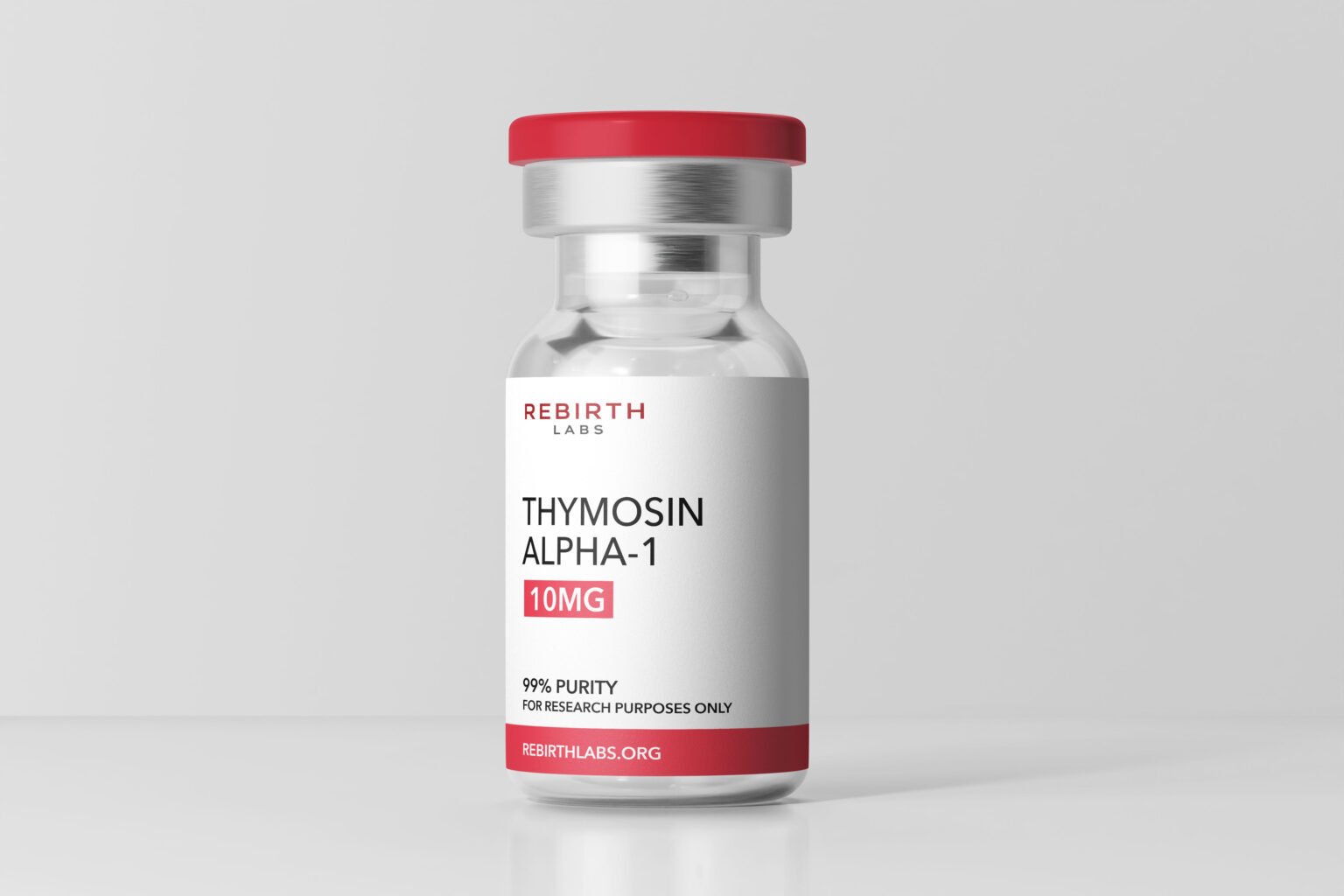
Thymosin Alpha-1: Comprehensive Guide to Quality Peptide Solutions at Rebirth Lab
Introduction to Advanced Peptide Science and Immune Support
In the modern world of biotechnology and wellness innovation, peptides have become one of the most researched and discussed categories in scientific development. Among them, Thymosin Alpha-1 stands out as a widely studied immunomodulatory peptide known for its potential role in supporting immune system balance and overall physiological resilience.
At https://rebirthlab.org, the focus is on delivering high-quality research compounds and peptide solutions designed for scientific exploration and laboratory use. This page is dedicated to providing an in-depth, SEO-optimized, and informational overview of Thymosin Alpha-1, its background, research relevance, mechanisms of action, and key considerations for laboratory environments.
The goal of this guide is to offer clarity, depth, and structured knowledge while helping users understand why this peptide has gained global attention in scientific and research communities.
Understanding Peptides and Their Scientific Importance
Peptides are short chains of amino acids that serve as building blocks of proteins. In biological systems, they play a crucial role in regulating a wide range of physiological processes, including hormonal signaling, immune response, and cellular communication.
Research into peptides has expanded significantly over the last few decades due to their high specificity and relatively low toxicity in controlled environments. Scientists often explore peptides for their ability to interact with biological receptors and influence natural processes in the body.
Within this context, Thymosin Alpha-1 has emerged as a particularly important molecule due to its association with immune system regulation and cellular defense mechanisms.
What is Thymosin Alpha-1?
Thymosin Alpha-1 is a naturally occurring peptide fragment originally isolated from the thymus gland. It is known for its role in immune system modulation and has been extensively studied in scientific literature for its potential to influence T-cell differentiation and immune signaling pathways.
Researchers have explored its properties in various experimental settings, focusing on how it interacts with immune cells and contributes to the regulation of immune responses. Because of this, it is often included in laboratory studies investigating immune system behavior, inflammation pathways, and cellular response mechanisms.
At Rebirth Lab, the emphasis is placed on providing high-purity research compounds for controlled scientific applications.
Scientific Background and Discovery
The thymus gland has long been recognized as a central organ in immune system development, particularly in early life. It plays a key role in the maturation of T-lymphocytes, which are essential for adaptive immunity.
During research into thymic hormones, scientists identified small peptide fragments that exhibited significant biological activity. Among these fragments, Thymosin Alpha-1 became one of the most widely studied due to its consistent immunoregulatory properties.
Over time, research expanded into synthetic production methods, allowing for greater accessibility in laboratory environments. This advancement enabled broader exploration of its biochemical effects and interactions.
Mechanism of Action in Scientific Research
From a biochemical perspective, Thymosin Alpha-1 is believed to interact with immune system pathways by influencing T-cell maturation and activity. It is studied for its ability to modulate cytokine production and enhance immune signaling balance.
Key areas of scientific focus include:
- Regulation of T-cell function
- Interaction with dendritic cells
- Modulation of cytokine activity
- Immune system signaling pathways
- Cellular response to external stressors
Researchers continue to investigate how this peptide influences immune homeostasis and how it may contribute to maintaining balanced immune responses under experimental conditions.
Laboratory Applications and Research Use
In controlled laboratory environments, Thymosin Alpha-1 is studied for a variety of experimental purposes. These include immunology research, molecular biology studies, and cellular response analysis.
Common areas of investigation include:
1. Immune System Modeling
Researchers use peptide-based models to simulate immune system responses and evaluate cellular interactions under controlled conditions.
2. Inflammation Pathway Studies
Scientific teams analyze how immune-related peptides influence inflammatory signaling pathways.
3. Cellular Communication Research
Studies often focus on how peptides interact with receptors and influence intracellular communication.
4. Biotechnology Development
Peptides are frequently used in biotech innovation to explore new therapeutic pathways and biological applications.
Rebirth Lab provides compounds strictly for research use, supporting scientific exploration and laboratory experimentation.
Why Research Interest in Thymosin Alpha-1 Continues to Grow
The increasing scientific interest in Thymosin Alpha-1 is driven by its potential role in immune regulation and its consistent presence in peer-reviewed research studies.
Several factors contribute to its popularity:
- Expanding research in immunology
- Advances in peptide synthesis technology
- Growing interest in immune system modulation
- Increased funding for biological research
- Ongoing clinical and laboratory investigations
This sustained interest has made it a key subject in modern peptide research.
Quality Standards at Rebirth Lab
At https://rebirthlab.org, quality and research integrity are prioritized. The objective is to ensure that all compounds are suitable for controlled laboratory use and meet consistent standards for purity and handling.
Key principles include:
- Strict laboratory-grade formulation standards
- Controlled synthesis and handling procedures
- Transparent research-use labeling
- Emphasis on scientific integrity
- Support for research professionals and institutions
These standards help ensure that researchers can rely on consistent and stable materials for their experimental work.
Storage and Handling Considerations in Research Settings
Proper storage and handling are essential when working with peptide compounds in laboratory environments. Researchers typically follow standardized protocols to maintain compound stability and integrity.
General best practices include:
- Maintaining appropriate temperature conditions
- Avoiding repeated freeze-thaw cycles
- Using sterile handling techniques
- Following laboratory safety guidelines
- Ensuring proper labeling and documentation
These measures help preserve the quality of research compounds during experimentation.
The Role of Peptides in Modern Biotechnology
Peptides have become central to many advances in biotechnology due to their specificity and adaptability. They are used in:
- Drug discovery research
- Immune system studies
- Molecular signaling analysis
- Protein interaction modeling
- Diagnostic development research
Within this field, Thymosin Alpha-1 continues to attract attention for its potential relevance to immune system studies and biological response mechanisms.
Ethical and Research Use Disclaimer
All materials discussed and provided by Rebirth Lab are intended strictly for laboratory research purposes only. They are not intended for human consumption, medical treatment, or diagnostic use.
Researchers are expected to follow all applicable regulations, safety protocols, and institutional guidelines when handling peptide compounds.
SEO-Focused Overview of Thymosin Alpha-1 Research Value
The growing search interest around Thymosin Alpha-1 reflects increased global curiosity about immune-related peptides and their biological significance. Researchers, scientists, and biotech developers frequently explore its properties in academic and experimental contexts.
This peptide continues to be associated with:
- Immune system regulation research
- T-cell development studies
- Cytokine response analysis
- Cellular signaling exploration
- Experimental immunology models
Its versatility in research applications makes it a recurring subject in scientific literature and laboratory investigations.
Rebirth Lab and Commitment to Scientific Advancement
Rebirth Lab aims to support the scientific community by offering high-quality research compounds and reliable access to peptide materials used in controlled studies. The platform is designed for researchers seeking consistent, lab-grade products for experimental exploration.
By maintaining strict quality control and focusing on research integrity, Rebirth Lab contributes to ongoing advancements in biotechnology and peptide science.
Future Perspectives in Peptide Research
The future of peptide research is expected to expand significantly as biotechnology advances. Scientists continue to explore new applications for peptides in immunology, regenerative science, and molecular medicine.
Areas of future interest include:
- Personalized immunology research
- Advanced molecular signaling studies
- Synthetic peptide optimization
- Biomedical innovation
- Cellular regeneration modeling
Within this evolving landscape, Thymosin Alpha-1 remains an important molecule of interest for ongoing scientific exploration.
Conclusion
The study of peptides continues to be one of the most dynamic fields in modern biological science. Thymosin Alpha-1 represents a key area of interest due to its connection with immune system regulation and cellular response mechanisms.
Through platforms like https://rebirthlab.org, researchers gain access to consistent, high-quality compounds that support laboratory-based discovery and innovation.
As scientific understanding deepens, peptide research will continue to expand, offering new insights into how biological systems function and interact at the molecular level.
Thymosin Alpha-1: Comprehensive Guide to Quality Peptide Solutions at Rebirth Lab
Introduction to Advanced Peptide Science and Immune Support
In the modern world of biotechnology and wellness innovation, peptides have become one of the most researched and discussed categories in scientific development. Among them, Thymosin Alpha-1 stands out as a widely studied immunomodulatory peptide known for its potential role in supporting immune system balance and overall physiological resilience.
At https://rebirthlab.org, the focus is on delivering high-quality research compounds and peptide solutions designed for scientific exploration and laboratory use. This page is dedicated to providing an in-depth, SEO-optimized, and informational overview of Thymosin Alpha-1, its background, research relevance, mechanisms of action, and key considerations for laboratory environments.
The goal of this guide is to offer clarity, depth, and structured knowledge while helping users understand why this peptide has gained global attention in scientific and research communities.
Understanding Peptides and Their Scientific Importance
Peptides are short chains of amino acids that serve as building blocks of proteins. In biological systems, they play a crucial role in regulating a wide range of physiological processes, including hormonal signaling, immune response, and cellular communication.
Research into peptides has expanded significantly over the last few decades due to their high specificity and relatively low toxicity in controlled environments. Scientists often explore peptides for their ability to interact with biological receptors and influence natural processes in the body.
Within this context, Thymosin Alpha-1 has emerged as a particularly important molecule due to its association with immune system regulation and cellular defense mechanisms.
What is Thymosin Alpha-1?
Thymosin Alpha-1 is a naturally occurring peptide fragment originally isolated from the thymus gland. It is known for its role in immune system modulation and has been extensively studied in scientific literature for its potential to influence T-cell differentiation and immune signaling pathways.
Researchers have explored its properties in various experimental settings, focusing on how it interacts with immune cells and contributes to the regulation of immune responses. Because of this, it is often included in laboratory studies investigating immune system behavior, inflammation pathways, and cellular response mechanisms.
At Rebirth Lab, the emphasis is placed on providing high-purity research compounds for controlled scientific applications.
Scientific Background and Discovery
The thymus gland has long been recognized as a central organ in immune system development, particularly in early life. It plays a key role in the maturation of T-lymphocytes, which are essential for adaptive immunity.
During research into thymic hormones, scientists identified small peptide fragments that exhibited significant biological activity. Among these fragments, Thymosin Alpha-1 became one of the most widely studied due to its consistent immunoregulatory properties.
Over time, research expanded into synthetic production methods, allowing for greater accessibility in laboratory environments. This advancement enabled broader exploration of its biochemical effects and interactions.
Mechanism of Action in Scientific Research
From a biochemical perspective, Thymosin Alpha-1 is believed to interact with immune system pathways by influencing T-cell maturation and activity. It is studied for its ability to modulate cytokine production and enhance immune signaling balance.
Key areas of scientific focus include:
- Regulation of T-cell function
- Interaction with dendritic cells
- Modulation of cytokine activity
- Immune system signaling pathways
- Cellular response to external stressors
Researchers continue to investigate how this peptide influences immune homeostasis and how it may contribute to maintaining balanced immune responses under experimental conditions.
Laboratory Applications and Research Use
In controlled laboratory environments, Thymosin Alpha-1 is studied for a variety of experimental purposes. These include immunology research, molecular biology studies, and cellular response analysis.
Common areas of investigation include:
1. Immune System Modeling
Researchers use peptide-based models to simulate immune system responses and evaluate cellular interactions under controlled conditions.
2. Inflammation Pathway Studies
Scientific teams analyze how immune-related peptides influence inflammatory signaling pathways.
3. Cellular Communication Research
Studies often focus on how peptides interact with receptors and influence intracellular communication.
4. Biotechnology Development
Peptides are frequently used in biotech innovation to explore new therapeutic pathways and biological applications.
Rebirth Lab provides compounds strictly for research use, supporting scientific exploration and laboratory experimentation.
Why Research Interest in Thymosin Alpha-1 Continues to Grow
The increasing scientific interest in Thymosin Alpha-1 is driven by its potential role in immune regulation and its consistent presence in peer-reviewed research studies.
Several factors contribute to its popularity:
- Expanding research in immunology
- Advances in peptide synthesis technology
- Growing interest in immune system modulation
- Increased funding for biological research
- Ongoing clinical and laboratory investigations
This sustained interest has made it a key subject in modern peptide research.
Quality Standards at Rebirth Lab
At https://rebirthlab.org, quality and research integrity are prioritized. The objective is to ensure that all compounds are suitable for controlled laboratory use and meet consistent standards for purity and handling.
Key principles include:
- Strict laboratory-grade formulation standards
- Controlled synthesis and handling procedures
- Transparent research-use labeling
- Emphasis on scientific integrity
- Support for research professionals and institutions
These standards help ensure that researchers can rely on consistent and stable materials for their experimental work.
Storage and Handling Considerations in Research Settings
Proper storage and handling are essential when working with peptide compounds in laboratory environments. Researchers typically follow standardized protocols to maintain compound stability and integrity.
General best practices include:
- Maintaining appropriate temperature conditions
- Avoiding repeated freeze-thaw cycles
- Using sterile handling techniques
- Following laboratory safety guidelines
- Ensuring proper labeling and documentation
These measures help preserve the quality of research compounds during experimentation.
The Role of Peptides in Modern Biotechnology
Peptides have become central to many advances in biotechnology due to their specificity and adaptability. They are used in:
- Drug discovery research
- Immune system studies
- Molecular signaling analysis
- Protein interaction modeling
- Diagnostic development research
Within this field, Thymosin Alpha-1 continues to attract attention for its potential relevance to immune system studies and biological response mechanisms.
Ethical and Research Use Disclaimer
All materials discussed and provided by Rebirth Lab are intended strictly for laboratory research purposes only. They are not intended for human consumption, medical treatment, or diagnostic use.
Researchers are expected to follow all applicable regulations, safety protocols, and institutional guidelines when handling peptide compounds.
SEO-Focused Overview of Thymosin Alpha-1 Research Value
The growing search interest around Thymosin Alpha-1 reflects increased global curiosity about immune-related peptides and their biological significance. Researchers, scientists, and biotech developers frequently explore its properties in academic and experimental contexts.
This peptide continues to be associated with:
- Immune system regulation research
- T-cell development studies
- Cytokine response analysis
- Cellular signaling exploration
- Experimental immunology models
Its versatility in research applications makes it a recurring subject in scientific literature and laboratory investigations.
Rebirth Lab and Commitment to Scientific Advancement
Rebirth Lab aims to support the scientific community by offering high-quality research compounds and reliable access to peptide materials used in controlled studies. The platform is designed for researchers seeking consistent, lab-grade products for experimental exploration.
By maintaining strict quality control and focusing on research integrity, Rebirth Lab contributes to ongoing advancements in biotechnology and peptide science.
Future Perspectives in Peptide Research
The future of peptide research is expected to expand significantly as biotechnology advances. Scientists continue to explore new applications for peptides in immunology, regenerative science, and molecular medicine.
Areas of future interest include:
- Personalized immunology research
- Advanced molecular signaling studies
- Synthetic peptide optimization
- Biomedical innovation
- Cellular regeneration modeling
Within this evolving landscape, Thymosin Alpha-1 remains an important molecule of interest for ongoing scientific exploration.
Conclusion
The study of peptides continues to be one of the most dynamic fields in modern biological science. Thymosin Alpha-1 represents a key area of interest due to its connection with immune system regulation and cellular response mechanisms.
Through platforms like https://rebirthlab.org, researchers gain access to consistent, high-quality compounds that support laboratory-based discovery and innovation.
As scientific understanding deepens, peptide research will continue to expand, offering new insights into how biological systems function and interact at the molecular level.


Reviews
There are no reviews yet.