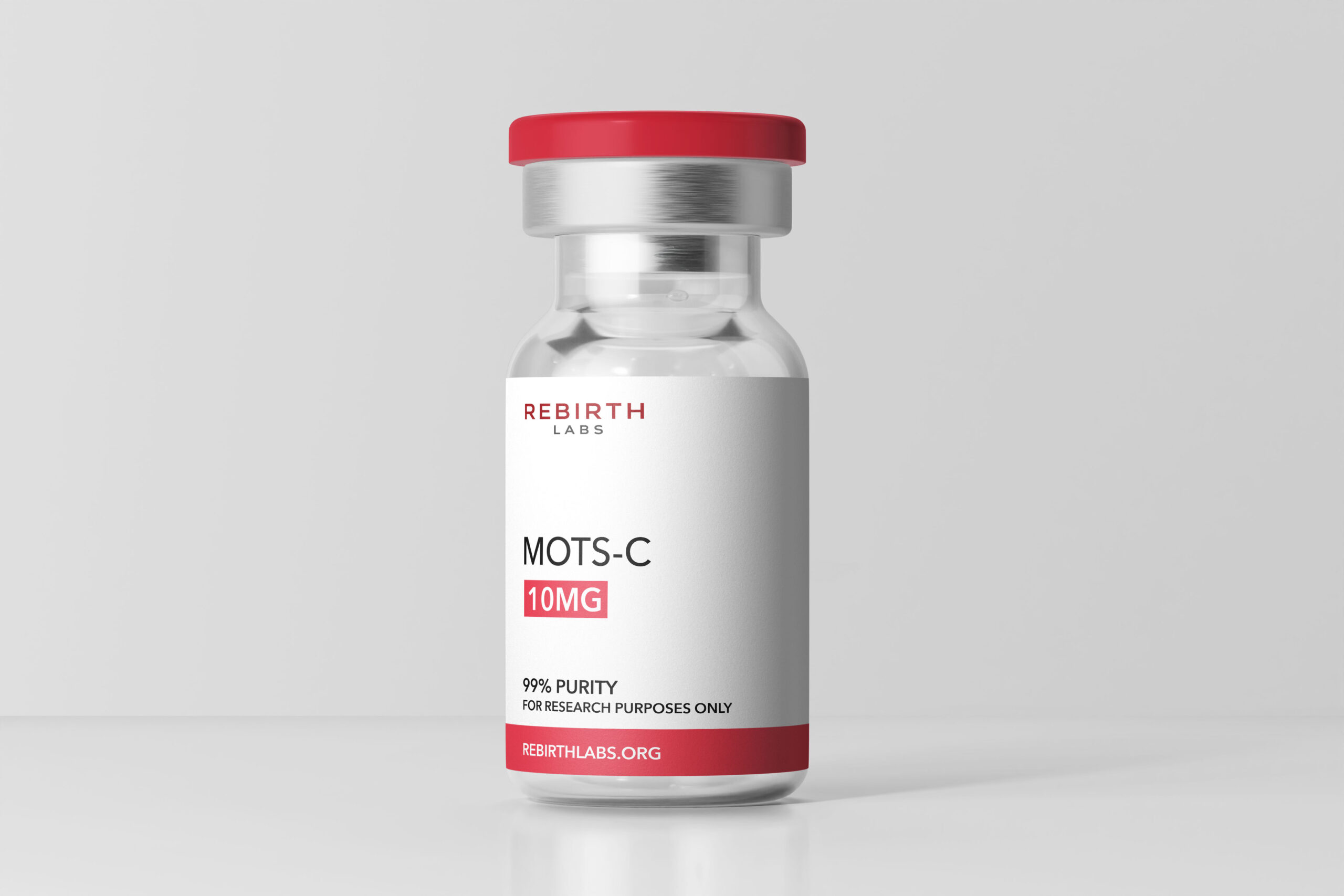
MOTS-C Peptide: Advanced Mitochondrial Research Compound for Metabolic Optimization
Introduction
In the rapidly evolving world of biotechnology and peptide research, few compounds have generated as much scientific curiosity as MOTS-C. This mitochondria-derived peptide has been the subject of growing interest due to its unique role in cellular energy regulation, metabolic signaling, and age-related biological processes.
On the official platform https://rebirthlab.org, researchers and enthusiasts can explore high-quality informational resources and research-oriented compounds designed for advanced biochemical study. Among these, MOTS-C stands out as a key focus of mitochondrial-derived peptide research.
Unlike conventional peptides that act primarily on surface receptors, this molecule is encoded within mitochondrial DNA, making it fundamentally different in origin and function. It represents a new frontier in understanding how cells regulate energy balance, stress adaptation, and metabolic efficiency.
This comprehensive guide explores its structure, mechanisms, research applications, and why it continues to attract scientific attention in metabolic and longevity studies.
Understanding the Science Behind MOTS-C
To appreciate the importance of this compound, it is essential to understand its biological origin. It is encoded by mitochondrial DNA, which distinguishes it from nuclear DNA-derived peptides. This means it is directly linked to the cell’s energy powerhouse—the mitochondria.
Mitochondria are responsible for producing ATP (adenosine triphosphate), the primary energy currency of the cell. When mitochondrial function declines, cellular energy production becomes inefficient, leading to metabolic slowdown and increased oxidative stress.
This peptide is believed to act as a signaling molecule that helps regulate metabolic homeostasis. It interacts with nuclear genes to influence how cells respond to energy demands, exercise, and nutritional stress.
By doing so, MOTS-C plays a role in maintaining metabolic flexibility, which is the body’s ability to switch between fuel sources like glucose and fatty acids efficiently.
Mechanism of Action and Cellular Function
Scientific studies suggest that this peptide operates through a complex pathway involving mitochondrial-nuclear communication. This communication is essential for maintaining cellular balance and adapting to environmental stressors.
One of the key mechanisms involves the activation of metabolic pathways that improve glucose utilization and insulin sensitivity. This has made it a subject of interest in metabolic research.
Additionally, it is believed to influence AMP-activated protein kinase (AMPK), a central regulator of energy homeostasis. AMPK acts as a cellular energy sensor, activating energy-producing pathways when levels are low.
Through this interaction, MOTS-C may support improved energy efficiency at the cellular level, particularly under conditions of metabolic stress such as exercise or caloric restriction.
Research-Driven Interest in Metabolic Health
Over the past decade, mitochondrial peptides have become a major focus in metabolic and aging research. Scientists are particularly interested in how these molecules influence age-related decline in energy production.
In preclinical studies, this peptide has been associated with improved metabolic resilience under stress conditions. Researchers have observed its involvement in regulating glucose metabolism and enhancing cellular adaptation to physical activity.
While research is still ongoing, the potential implications for metabolic health, endurance, and aging processes are significant.
At https://rebirthlab.org, educational content is designed to provide insight into these evolving scientific discoveries for research purposes only.
Potential Areas of Scientific Application
The growing body of research surrounding mitochondrial peptides has opened discussions in several scientific fields. These include:
1. Metabolic Research
Studies are investigating how this compound may influence glucose regulation and energy utilization in cells.
2. Exercise Physiology
Due to its role in energy metabolism, it is being examined in relation to physical performance and endurance adaptation.
3. Aging and Longevity Science
Researchers are exploring how mitochondrial signaling peptides may impact age-related metabolic decline.
4. Cellular Stress Response
The compound is also being studied for its role in helping cells adapt to oxidative and environmental stress.
It is important to emphasize that these are areas of ongoing research and not established clinical applications.
Cellular Energy and Mitochondrial Efficiency
Mitochondria are central to life at the cellular level. They regulate energy production, calcium signaling, and apoptosis (programmed cell death). When mitochondrial efficiency declines, it can lead to reduced cellular performance.
This peptide is believed to support mitochondrial communication pathways that help maintain optimal energy output. By enhancing how cells respond to energy demands, it may contribute to improved metabolic regulation.
This is particularly relevant in tissues with high energy demands such as muscle, liver, and brain cells.
The Role of Mitochondrial Signaling in Modern Research
Modern biological research increasingly recognizes the importance of mitochondrial signaling beyond simple energy production. Mitochondria are now understood as regulatory hubs that influence gene expression, metabolism, and stress responses.
This peptide is part of a broader category of mitochondrial-derived signaling molecules that bridge the gap between energy production and genetic regulation.
Its discovery has reshaped how scientists view cellular communication and metabolic adaptation.
Why Researchers Are Interested in This Peptide
There are several reasons why this compound continues to attract attention in scientific communities:
- It is encoded by mitochondrial DNA rather than nuclear DNA
- It plays a role in metabolic regulation and energy balance
- It is linked to cellular stress response pathways
- It may influence insulin sensitivity and glucose metabolism
- It represents a new class of signaling peptides
These characteristics make MOTS-C a unique subject of study in modern biotechnology and metabolic research.
Safety, Research Context, and Ethical Use
It is important to clarify that this compound is primarily discussed within research contexts. It is not universally approved for clinical or therapeutic use in many regions.
All information provided on https://rebirthlab.org is intended strictly for educational and scientific research purposes. Individuals should always refer to qualified professionals and regulatory guidelines before considering any biological compounds for experimental use.
Scientific integrity and responsible research practices are essential when exploring advanced biochemical compounds.
The Future of Mitochondrial Peptide Research
The future of mitochondrial-derived peptides is promising. As scientific tools become more advanced, researchers are expected to gain deeper insights into how these molecules influence human biology.
Potential future areas of exploration include:
- Cellular aging mechanisms
- Metabolic disease pathways
- Personalized metabolic interventions
- Bioenergetic optimization strategies
As interest grows, this peptide will likely remain a central topic in mitochondrial biology research.
Why https://rebirthlab.org Is a Trusted Research Resource
The platform https://rebirthlab.org is designed to provide structured, research-focused information on advanced biochemical compounds. It serves as an educational hub for individuals interested in peptides, mitochondrial biology, and metabolic science.
Key benefits of the platform include:
- Research-oriented content
- Clear scientific explanations
- Focus on mitochondrial and peptide science
- Educational resources for advanced learners
By maintaining a strong focus on scientific clarity, it supports responsible exploration of emerging biological research topics.
Conclusion
The study of mitochondrial-derived peptides represents one of the most exciting frontiers in modern biological science. Through its unique origin and function, MOTS-C continues to attract attention from researchers studying metabolism, energy regulation, and cellular aging.
While research is still ongoing, its role in mitochondrial communication and metabolic adaptation highlights its importance in understanding how cells maintain energy balance.
As scientific exploration advances, platforms like https://rebirthlab.org will continue to play a key role in educating and informing the research community about developments in this evolving field.




Reviews
There are no reviews yet.