
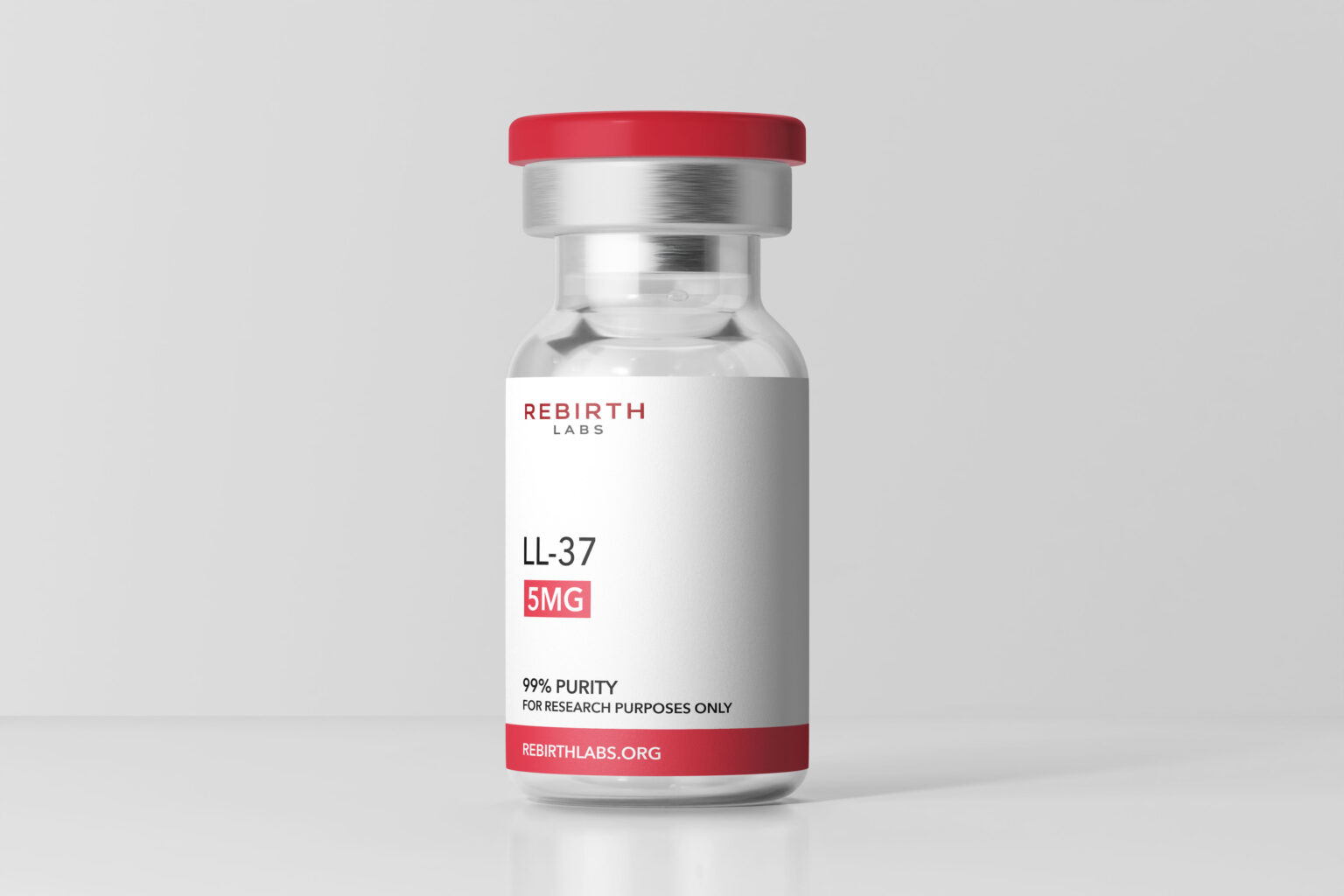
LL-37 Peptide: A Comprehensive Guide to Its Science, Applications, and Research Potential
In the ever-evolving world of peptide research, few compounds have attracted as much curiosity and scientific interest as LL-37. Known for its unique biological profile and its connection to innate immune responses, this peptide has become a focal point for researchers, laboratories, and biotechnology enthusiasts worldwide. At https://rebirthlab.org, the goal is to provide high-quality, research-oriented compounds supported by clear, informative content that helps users better understand their potential and context within modern science.
This guide is designed to be an in-depth, authoritative resource. It explores the origins, structure, mechanisms, research applications, handling considerations, and broader scientific relevance of LL-37, while maintaining a professional and research-focused tone.
Understanding LL-37: Origin and Biological Context
LL-37 is a naturally occurring antimicrobial peptide derived from the human cathelicidin antimicrobial peptide (CAMP) gene. It is the only known cathelicidin identified in humans and plays a role in the body’s innate immune system.
The peptide is composed of 37 amino acids and begins with two leucine residues, which is where its name originates. Unlike many synthetic peptides, LL-37 is endogenously produced, meaning it is naturally generated within the human body. It is primarily expressed in epithelial cells and immune cells such as neutrophils.
Its biological relevance lies in its multifunctional behavior. Rather than acting in a single pathway, LL-37 demonstrates a broad spectrum of interactions, making it particularly valuable for scientific exploration.
Structural Characteristics and Properties
One of the most interesting aspects of LL-37 is its amphipathic alpha-helical structure. This means it contains both hydrophilic (water-attracting) and hydrophobic (water-repelling) regions. This structural configuration allows it to interact with various biological membranes.
Key structural features include:
- Alpha-helical conformation in physiological environments
- Cationic charge, which facilitates interaction with negatively charged microbial membranes
- Flexible structure, enabling adaptability in different biological contexts
These characteristics contribute to its broad range of interactions and make it a compelling subject in biochemical and molecular studies.
Mechanisms of Action in Research Contexts
LL-37 has been widely studied for its diverse biological interactions. While research is ongoing, several mechanisms have been proposed and observed in controlled environments:
1. Membrane Interaction
Due to its cationic and amphipathic nature, LL-37 can bind to and disrupt lipid membranes. This interaction is often studied in the context of microbial models, where the peptide demonstrates the ability to alter membrane integrity.
2. Immunomodulatory Signaling
Research suggests that LL-37 may influence signaling pathways involved in immune responses. It has been observed to interact with receptors and modulate cytokine expression under laboratory conditions.
3. Cellular Communication
Another area of interest is its role in cell signaling and communication. LL-37 has been associated with processes such as chemotaxis, where cells move in response to chemical stimuli.
4. Biofilm Interaction
In experimental settings, LL-37 has been examined for its interaction with biofilms—structured communities of microorganisms. Its ability to disrupt or influence these formations has drawn attention in microbiology research.
Research Applications and Scientific Interest
LL-37 continues to be explored across multiple domains of scientific research. Its versatility makes it a candidate for various experimental models.
Microbiology Studies
Researchers often investigate LL-37 in the context of microbial interaction models. Its effects on bacterial membranes and biofilm structures are frequently studied to better understand host-defense mechanisms.
Immunology Research
In immunological studies, LL-37 is examined for its role in innate immunity. Scientists explore how it interacts with immune cells and influences inflammatory signaling pathways.
Tissue and Cellular Studies
There is also interest in how LL-37 behaves in tissue models. Its interaction with epithelial cells and involvement in cellular signaling pathways are areas of ongoing investigation.
Molecular Biology
At the molecular level, LL-37 is used to study gene expression and protein interactions. Its ability to influence transcriptional activity makes it relevant in gene regulation research.
Quality and Purity Considerations
When sourcing research peptides, quality is critical. At https://rebirthlab.org, emphasis is placed on providing compounds that meet rigorous standards for laboratory use.
Important factors include:
- High purity levels, typically verified through analytical methods such as HPLC
- Accurate peptide sequencing, ensuring structural integrity
- Proper storage and handling guidelines, maintaining stability over time
Researchers should always verify documentation and ensure that compounds are used strictly within appropriate research frameworks.
Handling and Storage Guidelines
To maintain stability and integrity, LL-37 should be handled with care under controlled conditions.
General best practices include:
- Storage at low temperatures, typically -20°C or below
- Protection from light and moisture
- Use of sterile techniques during reconstitution
- Avoid repeated freeze-thaw cycles, which can degrade peptide structure
Following these guidelines helps preserve the quality of the peptide for consistent research outcomes.
The Growing Interest in Peptide Research
Peptides like LL-37 are part of a broader trend in modern science, where short chains of amino acids are being studied for their diverse biological roles. Unlike larger proteins, peptides are often easier to synthesize and modify, making them valuable tools in laboratory settings.
The increasing accessibility of high-quality research peptides has contributed to a surge in interest across academic and private research institutions.
Ethical and Research Use Considerations
It is essential to emphasize that LL-37 is intended strictly for research purposes. It is not approved for human consumption, medical treatment, or diagnostic use.
Responsible research practices include:
- Conducting studies in controlled laboratory environments
- Following institutional and regulatory guidelines
- Ensuring proper documentation and data integrity
Maintaining ethical standards is critical for advancing scientific knowledge and ensuring the credibility of research findings.
Why Researchers Choose RebirthLab
At https://rebirthlab.org, the focus is on supporting the scientific community with reliable, high-quality research compounds. The platform is designed to provide transparency, consistency, and educational value.
Key advantages include:
- Commitment to product quality and verification
- Clear and informative product descriptions
- Focus on research-grade materials
- Ongoing effort to provide educational resources for users
By prioritizing quality and clarity, RebirthLab aims to be a trusted resource for researchers exploring peptides and related compounds.
Future Directions in LL-37 Research
The scientific community continues to explore new dimensions of LL-37. Emerging areas of interest include:
- Advanced molecular interaction studies
- Role in complex cellular environments
- Potential applications in biomaterials research
- Integration into multi-peptide experimental models
As research techniques evolve, the understanding of LL-37 is expected to expand, offering deeper insights into its biological significance.
Conclusion
LL-37 represents a fascinating intersection of biology, chemistry, and research innovation. Its unique structure, diverse mechanisms, and broad research applications make it a valuable subject for scientific exploration.
For those seeking high-quality research compounds and detailed informational resources, https://rebirthlab.org provides a platform dedicated to supporting informed and responsible research.
As peptide science continues to advance, compounds like LL-37 will remain at the forefront of discovery, offering new opportunities for understanding complex biological systems and pushing the boundaries of modern research.
Reviews
There are no reviews yet.