TB-500: A Comprehensive Guide to Recovery, Performance, and Research Applications
In the evolving landscape of modern research compounds and performance-enhancing peptides, TB-500 has steadily emerged as one of the most discussed and widely explored substances. Known for its association with tissue repair, recovery support, and cellular regeneration, this peptide has captured the attention of researchers, fitness enthusiasts, and professionals seeking advanced solutions in biological science.
At https://rebirthlab.org, we aim to provide clear, refined, and well-structured information that reflects both scientific curiosity and responsible understanding. This article has been carefully developed to offer a detailed exploration of TB-500, its background, mechanisms, applications, and considerations—crafted in a classic, authoritative tone suitable for readers who value depth and clarity.
Understanding TB-500: Origins and Scientific Background
TB-500 is a synthetic version of a naturally occurring peptide fragment derived from Thymosin Beta-4 (Tβ4), a protein found in almost all human and animal cells. Thymosin Beta-4 plays a significant role in cellular processes, particularly those involving repair, regeneration, and inflammation response.
The synthetic adaptation, TB-500, was designed to isolate and enhance certain functional aspects of this naturally occurring protein. Researchers have focused on its potential to influence actin regulation, a critical component of cell structure and movement. Actin plays a fundamental role in cell migration, division, and signaling—processes that are essential for healing and recovery.
What distinguishes TB-500 from many other peptides is its ability to travel relatively freely throughout the body. This systemic distribution allows it to interact with multiple tissues, making it an appealing subject for ongoing research.
Mechanism of Action: How TB-500 Works
To appreciate the significance of TB-500, one must first understand its biological activity at the cellular level. The peptide is primarily associated with actin binding and regulation. Actin is a protein that forms microfilaments within cells, contributing to structural integrity and movement.
By interacting with actin, TB-500 is believed to:
- Promote cell migration
- Support angiogenesis (formation of new blood vessels)
- Assist in tissue remodeling
- Encourage cellular differentiation
These processes collectively contribute to the body’s natural repair mechanisms. When tissues are damaged—whether through physical exertion, injury, or stress—the body initiates a cascade of biological responses. TB-500 may enhance certain aspects of this cascade, making it a subject of considerable interest in regenerative research.
Applications in Research and Performance Contexts
Although TB-500 is primarily categorized as a research compound, its potential applications have been widely explored in various contexts. It is important to emphasize that its use should always align with applicable regulations and ethical standards.
1. Tissue Recovery Research
One of the most prominent areas of study involving TB-500 is tissue recovery. Researchers have investigated its potential role in accelerating the repair of muscles, tendons, and ligaments. This makes it particularly relevant in studies related to physical rehabilitation and sports science.
2. Inflammation Modulation
Inflammation is a natural response to injury, but excessive or prolonged inflammation can hinder recovery. TB-500 has been studied for its possible ability to modulate inflammatory responses, helping maintain a balanced environment conducive to healing.
3. Cardiovascular Research
Some studies have explored the peptide’s influence on cardiovascular tissues, particularly in relation to blood vessel formation and repair. This area remains under active investigation, with ongoing research aimed at understanding long-term implications.
4. Mobility and Flexibility Studies
Due to its association with tissue elasticity and repair, TB-500 has also been examined in studies focused on improving mobility and flexibility. These aspects are particularly relevant in both athletic and aging populations.
Structural Characteristics and Stability
TB-500 is a short peptide sequence, which contributes to its stability and bioavailability. Unlike larger proteins, smaller peptides can often penetrate tissues more efficiently, allowing for broader systemic effects.
Its structure is designed to resist rapid degradation, ensuring that it remains active long enough to interact with target cells. This stability is one of the reasons it has gained popularity in research environments.
The Role of TB-500 in Modern Research
The growing interest in TB-500 reflects a broader trend in scientific exploration: the search for compounds that can enhance the body’s natural processes rather than replace them. Instead of introducing foreign mechanisms, TB-500 appears to support existing biological pathways.
This approach aligns with the philosophy of regenerative science, which emphasizes restoration and optimization. Researchers are increasingly focusing on how peptides like TB-500 can be integrated into comprehensive strategies for recovery and performance enhancement.
Ethical Considerations and Responsible Use
As with any research compound, TB-500 must be approached with caution and responsibility. It is not universally approved for medical use in many regions, and its application is often limited to laboratory and experimental settings.
Users and researchers should:
- Ensure compliance with local regulations
- Source products from reputable providers
- Maintain transparency in research practices
- Avoid unsupported or exaggerated claims
At https://rebirthlab.org, the emphasis remains on informed decision-making and ethical responsibility.
Quality and Sourcing: Why It Matters
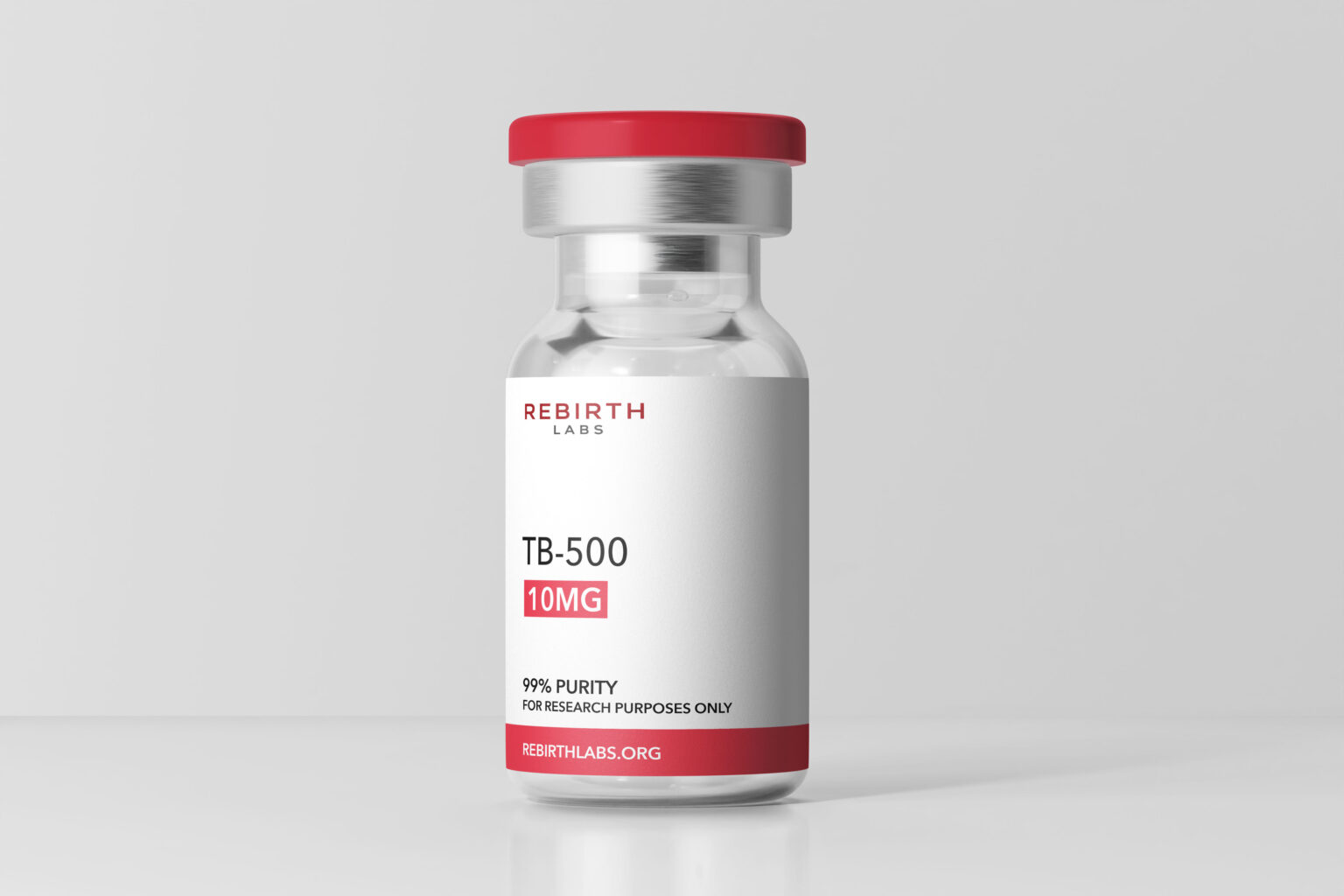
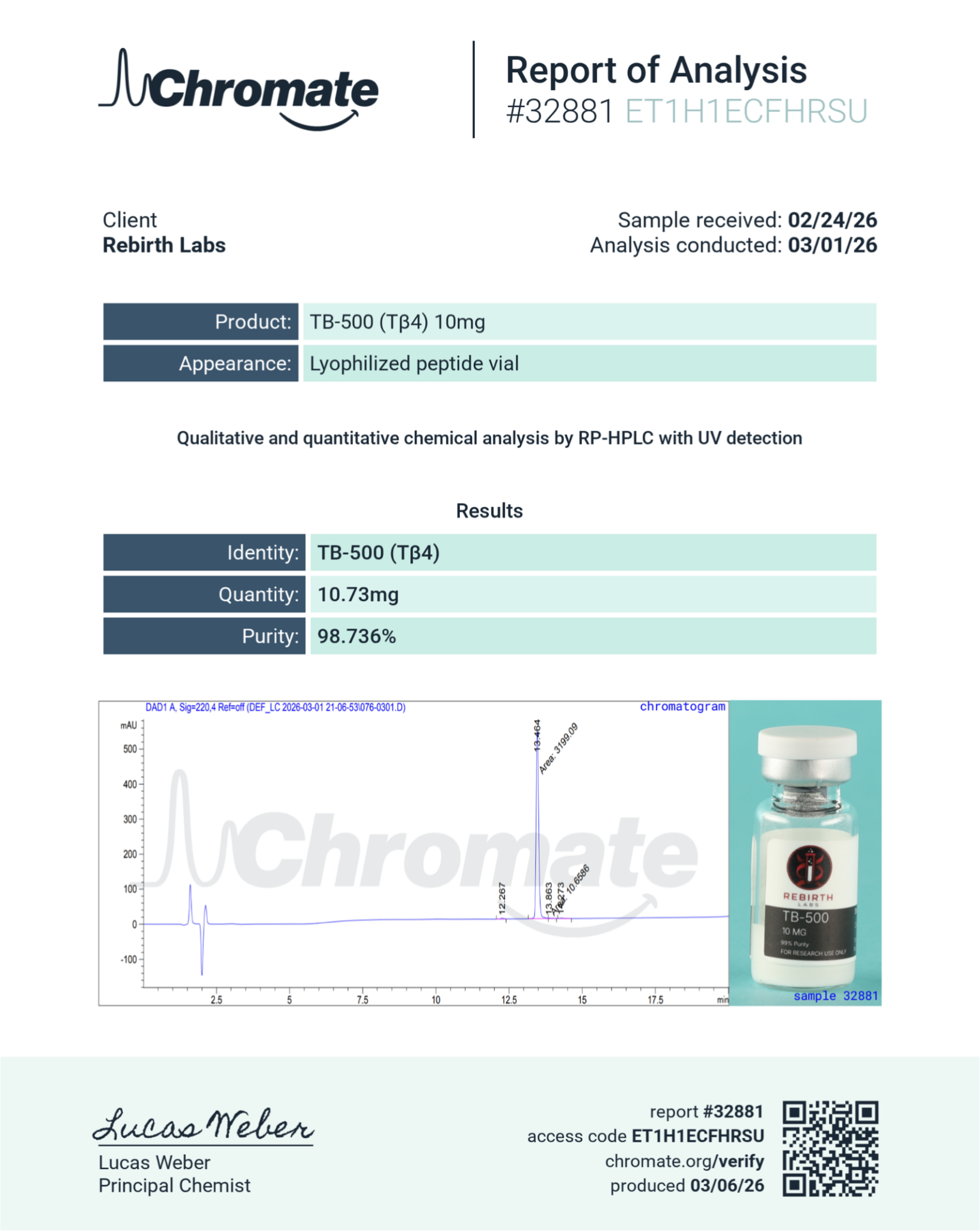
The quality of any peptide significantly influences its reliability and effectiveness in research. Factors such as purity, synthesis methods, and storage conditions play a critical role.
When evaluating TB-500, consider:
- Purity levels (often expressed as a percentage)
- Manufacturing standards
- Third-party testing
- Packaging and storage integrity
Reliable sourcing ensures that research outcomes are consistent and reproducible.
Storage and Handling Guidelines
Proper storage is essential to maintain the stability of TB-500. Peptides are sensitive to environmental factors such as temperature, light, and moisture.
General guidelines include:
- Store in a cool, dry place
- Avoid direct sunlight
- Use sterile handling techniques
- Follow recommended reconstitution practices if applicable
Adhering to these practices helps preserve the integrity of the compound over time.
Comparative Perspective: TB-500 and Other Peptides
In the broader category of research peptides, TB500 is often compared with other compounds that focus on recovery and regeneration. Each peptide has unique characteristics, and their effects may vary depending on the context.
What sets TB500 apart is its systemic distribution and versatility. While some peptides target specific tissues, TB500 appears to have a more generalized impact, which can be advantageous in certain research scenarios.
Long-Term Research Potential
The long-term implications of TB500 remain an area of active investigation. As scientific understanding evolves, new insights may emerge regarding its applications and limitations.
Future research may explore:
- Advanced regenerative therapies
- Combination approaches with other peptides
- Optimized delivery methods
- Broader clinical implications
These possibilities highlight the importance of continued study and responsible exploration.
Integrating TB-500 into a Research Framework
For researchers and professionals, integrating TB500 into a structured framework is essential. This involves:
- Defining clear objectives
- Establishing controlled conditions
- Monitoring outcomes systematically
- Documenting results accurately
Such an approach ensures that findings are meaningful and contribute to the broader scientific community.
The RebirthLab Perspective
At https://rebirthlab.org, the focus is on providing high-quality research compounds alongside comprehensive educational resources. The goal is to support informed exploration while maintaining a commitment to integrity and transparency.
TB-500 represents just one aspect of a broader commitment to advancing knowledge in the field of peptides and regenerative science.
Conclusion: A Balanced and Informed View
TB500 stands at the intersection of innovation and scientific curiosity. Its potential to support natural biological processes makes it a compelling subject for research, while its versatility opens the door to a wide range of applications.
However, it is essential to approach it with a balanced perspective—recognizing both its possibilities and its limitations. Responsible use, ethical considerations, and a commitment to quality are fundamental to ensuring that research remains credible and meaningful.
As interest in peptides continues to grow, TB500 will likely remain a focal point of discussion and investigation. By staying informed and grounded in scientific principles, researchers and enthusiasts alike can contribute to a deeper understanding of this intriguing compound.
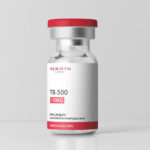
TB-500: A Comprehensive Guide to Recovery, Performance, and Research Applications
In the evolving landscape of modern research compounds and performance-enhancing peptides, TB-500 has steadily emerged as one of the most discussed and widely explored substances. Known for its association with tissue repair, recovery support, and cellular regeneration, this peptide has captured the attention of researchers, fitness enthusiasts, and professionals seeking advanced solutions in biological science.
At https://rebirthlab.org, we aim to provide clear, refined, and well-structured information that reflects both scientific curiosity and responsible understanding. This article has been carefully developed to offer a detailed exploration of TB-500, its background, mechanisms, applications, and considerations—crafted in a classic, authoritative tone suitable for readers who value depth and clarity.
Understanding TB-500: Origins and Scientific Background
TB-500 is a synthetic version of a naturally occurring peptide fragment derived from Thymosin Beta-4 (Tβ4), a protein found in almost all human and animal cells. Thymosin Beta-4 plays a significant role in cellular processes, particularly those involving repair, regeneration, and inflammation response.
The synthetic adaptation, TB-500, was designed to isolate and enhance certain functional aspects of this naturally occurring protein. Researchers have focused on its potential to influence actin regulation, a critical component of cell structure and movement. Actin plays a fundamental role in cell migration, division, and signaling—processes that are essential for healing and recovery.
What distinguishes TB-500 from many other peptides is its ability to travel relatively freely throughout the body. This systemic distribution allows it to interact with multiple tissues, making it an appealing subject for ongoing research.
Mechanism of Action: How TB-500 Works
To appreciate the significance of TB-500, one must first understand its biological activity at the cellular level. The peptide is primarily associated with actin binding and regulation. Actin is a protein that forms microfilaments within cells, contributing to structural integrity and movement.
By interacting with actin, TB-500 is believed to:
- Promote cell migration
- Support angiogenesis (formation of new blood vessels)
- Assist in tissue remodeling
- Encourage cellular differentiation
These processes collectively contribute to the body’s natural repair mechanisms. When tissues are damaged—whether through physical exertion, injury, or stress—the body initiates a cascade of biological responses. TB-500 may enhance certain aspects of this cascade, making it a subject of considerable interest in regenerative research.
Applications in Research and Performance Contexts
Although TB-500 is primarily categorized as a research compound, its potential applications have been widely explored in various contexts. It is important to emphasize that its use should always align with applicable regulations and ethical standards.
1. Tissue Recovery Research
One of the most prominent areas of study involving TB-500 is tissue recovery. Researchers have investigated its potential role in accelerating the repair of muscles, tendons, and ligaments. This makes it particularly relevant in studies related to physical rehabilitation and sports science.
2. Inflammation Modulation
Inflammation is a natural response to injury, but excessive or prolonged inflammation can hinder recovery. TB-500 has been studied for its possible ability to modulate inflammatory responses, helping maintain a balanced environment conducive to healing.
3. Cardiovascular Research
Some studies have explored the peptide’s influence on cardiovascular tissues, particularly in relation to blood vessel formation and repair. This area remains under active investigation, with ongoing research aimed at understanding long-term implications.
4. Mobility and Flexibility Studies
Due to its association with tissue elasticity and repair, TB-500 has also been examined in studies focused on improving mobility and flexibility. These aspects are particularly relevant in both athletic and aging populations.
Structural Characteristics and Stability
TB-500 is a short peptide sequence, which contributes to its stability and bioavailability. Unlike larger proteins, smaller peptides can often penetrate tissues more efficiently, allowing for broader systemic effects.
Its structure is designed to resist rapid degradation, ensuring that it remains active long enough to interact with target cells. This stability is one of the reasons it has gained popularity in research environments.
The Role of TB-500 in Modern Research
The growing interest in TB-500 reflects a broader trend in scientific exploration: the search for compounds that can enhance the body’s natural processes rather than replace them. Instead of introducing foreign mechanisms, TB-500 appears to support existing biological pathways.
This approach aligns with the philosophy of regenerative science, which emphasizes restoration and optimization. Researchers are increasingly focusing on how peptides like TB-500 can be integrated into comprehensive strategies for recovery and performance enhancement.
Ethical Considerations and Responsible Use
As with any research compound, TB-500 must be approached with caution and responsibility. It is not universally approved for medical use in many regions, and its application is often limited to laboratory and experimental settings.
Users and researchers should:
- Ensure compliance with local regulations
- Source products from reputable providers
- Maintain transparency in research practices
- Avoid unsupported or exaggerated claims
At https://rebirthlab.org, the emphasis remains on informed decision-making and ethical responsibility.
Quality and Sourcing: Why It Matters
The quality of any peptide significantly influences its reliability and effectiveness in research. Factors such as purity, synthesis methods, and storage conditions play a critical role.
When evaluating TB-500, consider:
- Purity levels (often expressed as a percentage)
- Manufacturing standards
- Third-party testing
- Packaging and storage integrity
Reliable sourcing ensures that research outcomes are consistent and reproducible.
Storage and Handling Guidelines
Proper storage is essential to maintain the stability of TB-500. Peptides are sensitive to environmental factors such as temperature, light, and moisture.
General guidelines include:
- Store in a cool, dry place
- Avoid direct sunlight
- Use sterile handling techniques
- Follow recommended reconstitution practices if applicable
Adhering to these practices helps preserve the integrity of the compound over time.
Comparative Perspective: TB-500 and Other Peptides
In the broader category of research peptides, TB500 is often compared with other compounds that focus on recovery and regeneration. Each peptide has unique characteristics, and their effects may vary depending on the context.
What sets TB500 apart is its systemic distribution and versatility. While some peptides target specific tissues, TB500 appears to have a more generalized impact, which can be advantageous in certain research scenarios.
Long-Term Research Potential
The long-term implications of TB500 remain an area of active investigation. As scientific understanding evolves, new insights may emerge regarding its applications and limitations.
Future research may explore:
- Advanced regenerative therapies
- Combination approaches with other peptides
- Optimized delivery methods
- Broader clinical implications
These possibilities highlight the importance of continued study and responsible exploration.
Integrating TB-500 into a Research Framework
For researchers and professionals, integrating TB500 into a structured framework is essential. This involves:
- Defining clear objectives
- Establishing controlled conditions
- Monitoring outcomes systematically
- Documenting results accurately
Such an approach ensures that findings are meaningful and contribute to the broader scientific community.
The RebirthLab Perspective
At https://rebirthlab.org, the focus is on providing high-quality research compounds alongside comprehensive educational resources. The goal is to support informed exploration while maintaining a commitment to integrity and transparency.
TB-500 represents just one aspect of a broader commitment to advancing knowledge in the field of peptides and regenerative science.
Conclusion: A Balanced and Informed View
TB500 stands at the intersection of innovation and scientific curiosity. Its potential to support natural biological processes makes it a compelling subject for research, while its versatility opens the door to a wide range of applications.
However, it is essential to approach it with a balanced perspective—recognizing both its possibilities and its limitations. Responsible use, ethical considerations, and a commitment to quality are fundamental to ensuring that research remains credible and meaningful.
As interest in peptides continues to grow, TB500 will likely remain a focal point of discussion and investigation. By staying informed and grounded in scientific principles, researchers and enthusiasts alike can contribute to a deeper understanding of this intriguing compound.

Reviews
There are no reviews yet.