N-ACETYL EPITALON: A Comprehensive Guide to This Advanced Research Peptide
Website: https://rebirthlab.org
Introduction to N-Acetyl Epitalon
In the evolving landscape of peptide science and longevity research, few compounds have attracted as much attention as N-ACETYL EPITALON. This synthetic tetrapeptide derivative is widely discussed in scientific literature for its potential role in cellular processes related to aging, circadian rhythm regulation, and overall biological resilience.
At Rebirth Lab, the focus is on providing educational, research-focused insights into advanced peptide compounds such as N-ACETYL EPITALON, ensuring that users and researchers can better understand how these molecules are studied in laboratory environments.
This article serves as a deep-dive exploration into the structure, background, research relevance, and scientific interest surrounding this peptide.
What is N-ACETYL EPITALON?
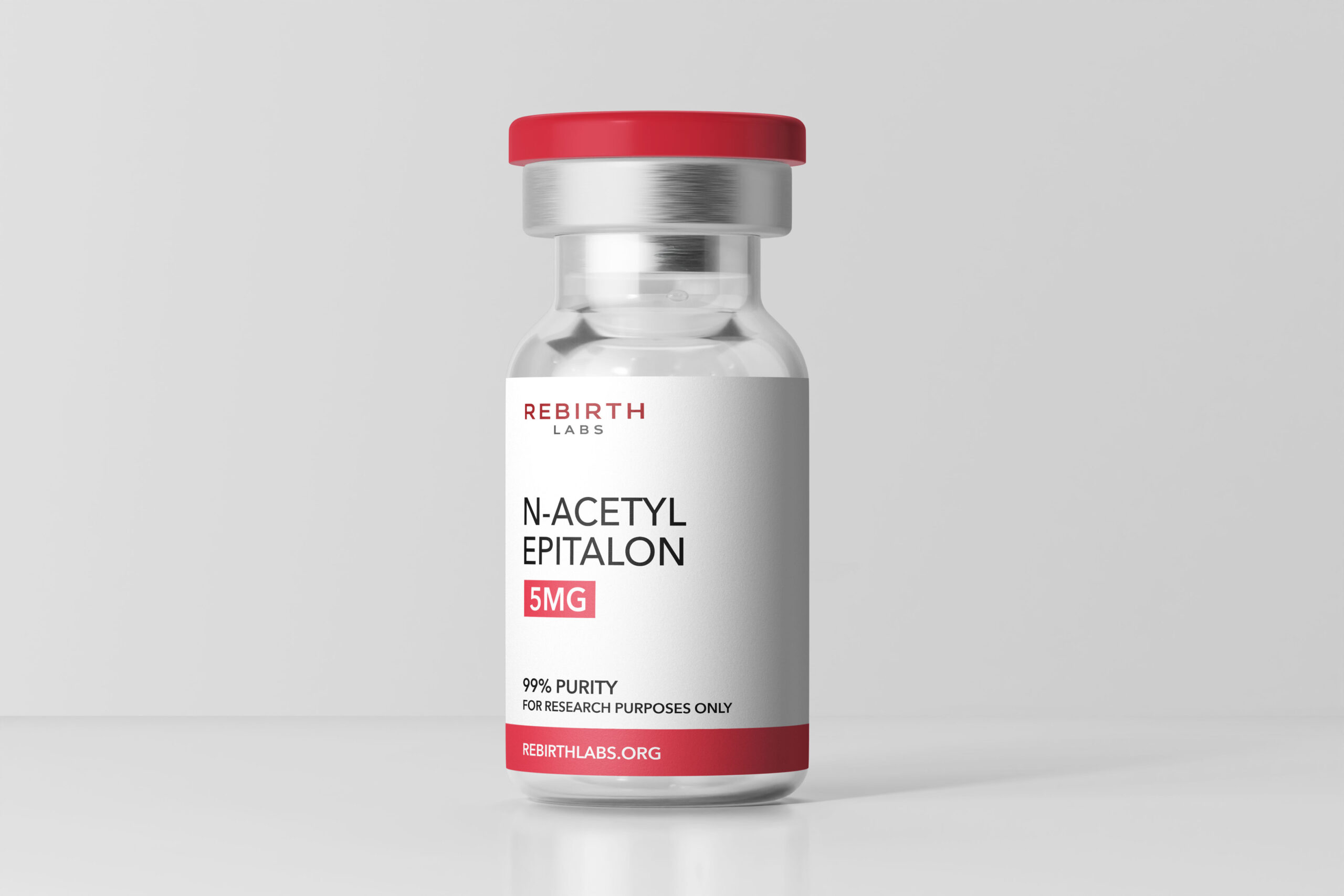
N-ACETYL EPITALON is a modified form of the peptide Epitalon (also known as Epithalon), which itself is a synthetic tetrapeptide composed of the amino acids alanine, glutamic acid, aspartic acid, and glycine.
The acetylation process in N-ACETYL EPITALON refers to the addition of an acetyl group, a modification often studied in biochemistry for its potential influence on stability, bioavailability, and molecular interaction within laboratory environments.
Researchers have explored Epitalon and its derivatives primarily in the context of:
- Cellular aging mechanisms
- Telomere length regulation (in experimental models)
- Circadian rhythm signaling
- Oxidative stress response pathways
While interest in N-ACETYL EPITALON continues to grow, it is important to emphasize that much of the data remains within experimental and preclinical research stages.
Molecular Structure and Scientific Background
The structure of Epitalon-based peptides is relatively simple compared to many modern synthetic compounds, yet their biological implications are considered complex.
The acetyl modification in N-ACETYL EPITALON is of particular interest because acetyl groups can influence:
- Molecular stability in solution
- Resistance to enzymatic degradation
- Interaction with cellular receptors in vitro studies
From a biochemical perspective, small modifications like acetylation can significantly alter how a peptide behaves in laboratory conditions. This is why N-ACETYL EPITALON has become a subject of interest in ongoing experimental peptide research.
Research Applications and Scientific Interest
The primary interest in N-ACETYL EPITALON lies in laboratory-based studies, particularly in fields such as molecular biology, gerontology, and chronobiology.
1. Aging and Cellular Research
One of the most widely discussed areas of Epitalon research is its relationship to cellular aging processes. In experimental settings, scientists have examined how telomerase activity and telomere dynamics may be influenced by peptide exposure. However, these findings are not universally established and remain under ongoing investigation.
2. Circadian Rhythm Studies
Another area of scientific curiosity involves the potential impact of Epitalon derivatives on circadian rhythm regulation. Biological rhythms are essential for hormone regulation, sleep cycles, and metabolic processes. N-ACETYL EPITALON has been examined in this context in select research environments.
3. Oxidative Stress Models
Oxidative stress plays a key role in cellular damage and aging theories. Some laboratory studies explore whether peptides like N-ACETYL EPITALON may influence antioxidant pathways or cellular stress responses.
Why Researchers Study N-ACETYL EPITALON
Scientific interest in peptides like N-ACETYL EPITALON is driven by several factors:
- Simplicity of molecular structure compared to larger biologics
- Potential regulatory roles in fundamental biological processes
- Relevance to aging and longevity research models
- Increasing interest in peptide-based biochemical pathways
Unlike conventional pharmaceuticals, peptides offer a unique bridge between small molecules and complex proteins, making them valuable tools in experimental biology.
Stability and Chemical Properties
The acetylation in N-ACETYL EPITALON is often discussed in terms of peptide stability. In general biochemical terms:
- Acetyl groups may reduce enzymatic breakdown
- They can alter solubility profiles
- They may affect binding affinity in receptor interactions (in vitro)
These properties are essential for laboratory research where consistency and reproducibility are key.
Differences Between Epitalon and N-Acetyl Epitalon
Although closely related, Epitalon and N-ACETYL EPITALON are not identical.
Key distinctions include:
- Structural modification: Acetylation in the N-acetyl form
- Research focus: Slightly different biochemical behavior in studies
- Stability profile: Potential differences in degradation rates in vitro
- Experimental use cases: Varies depending on study design
These differences are subtle but important in scientific experimentation.
The Role of Peptides in Modern Research
Peptides have become a cornerstone of modern biochemical and pharmaceutical research. Compounds like N-ACETYL EPITALON represent a growing class of molecules that bridge natural biological function and synthetic modification.
Researchers value peptides because:
- They are relatively easy to synthesize
- They mimic natural biological signaling molecules
- They can be precisely modified for experimental purposes
- They provide insight into protein interactions
Safety and Research Context Disclaimer
It is important to clarify that N-ACETYL EPITALON is primarily a research compound. Any discussion surrounding it should be framed within laboratory and scientific contexts only.
It is not intended for medical use, diagnosis, or treatment of any condition outside of regulated clinical environments.
Rebirth Lab emphasizes responsible research usage and encourages users to respect all applicable scientific and regulatory guidelines.
Scientific Curiosity and Longevity Research
The field of longevity science has expanded significantly in recent years, with increasing attention placed on peptides and cellular signaling molecules.
N-ACETYL EPITALON is often mentioned in discussions related to:
- Cellular lifespan regulation
- Biomolecular aging markers
- Regenerative biology
- Experimental anti-aging frameworks
However, it remains important to distinguish between hypothesis, early research findings, and clinically validated outcomes.
Laboratory Handling and Research Use
In controlled research environments, peptides like N-ACETYL EPITALON are typically handled under strict laboratory protocols. These may include:
- Temperature-controlled storage conditions
- Sterile handling procedures
- Analytical verification using chromatography or spectroscopy
- Documentation of experimental batch consistency
Such practices ensure reliability and reproducibility in scientific investigations.
Market Interest and Online Discussion
There has been growing online interest in peptides such as N-ACETYL EPITALON, particularly within communities focused on biotechnology, aging research, and molecular science.
However, it is crucial to differentiate between:
- Scientific literature
- Experimental research discussions
- Commercial or anecdotal claims
Only peer-reviewed and controlled studies should be considered reliable sources of information.
Ethical Considerations in Peptide Research
As with all advanced biochemical compounds, ethical considerations are essential when discussing N-ACETYL EPITALON.
Key principles include:
- Responsible laboratory use
- Transparency in research methodology
- Avoidance of unsupported medical claims
- Compliance with regulatory frameworks
Ethical research ensures that scientific progress remains safe, credible, and beneficial.
Future Directions in Epitalon Research
The future of research involving N-ACETYL EPITALON and related peptides is likely to focus on:
- Improved molecular modifications for stability
- Deeper understanding of peptide signaling pathways
- Integration with computational biology models
- Expanded studies in aging and cellular repair mechanisms
As biotechnology evolves, peptides will continue to play an important role in experimental science.
Frequently Asked Questions (FAQ)
What is N-ACETYL EPITALON used for?
It is primarily used in laboratory research to study biological processes such as aging, circadian rhythms, and cellular function.
Is N-ACETYL EPITALON a medication?
No. It is considered a research peptide and is not approved as a medication.
How is it different from Epitalon?
The acetylation modification changes its chemical properties and may influence stability and behavior in research settings.
Can it be used for human treatment?
There is no established clinical approval for such use. It is strictly for research purposes.
Conclusion
N-ACETYL EPITALON remains a highly interesting compound in the field of peptide research, particularly in studies related to cellular aging, biological rhythms, and molecular stability. While scientific interest continues to grow, much of the available data remains exploratory and experimental in nature.
Rebirth Lab (https://rebirthlab.org) is dedicated to providing educational insights into advanced peptide science, supporting informed research discussions and promoting responsible scientific exploration.
As the field of biotechnology advances, compounds like N-ACETYL EPITALON will likely remain at the center of ongoing investigations into the fundamental mechanisms of life and aging.


Reviews
There are no reviews yet.