
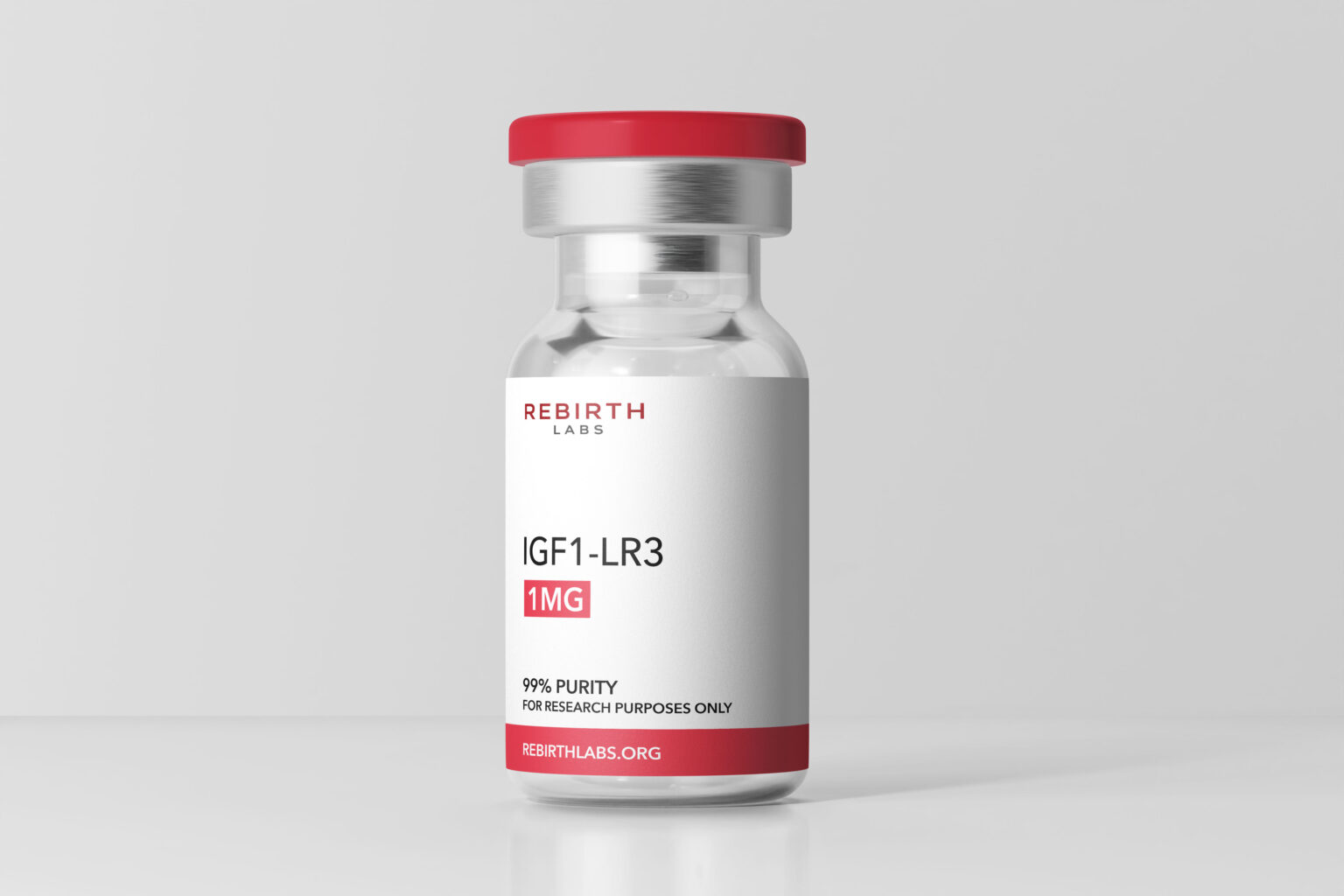

IGF1-LR3 Research Guide: Advanced Peptide Information Hub | RebirthLab
Introduction to IGF1-LR3 and RebirthLab.org
Welcome to the RebirthLab knowledge hub at https://rebirthlab.org, where advanced peptide research topics are organized into structured, educational silos for clarity, depth, and scientific understanding. This article provides a comprehensive breakdown of one of the most discussed research compounds in modern bio-regulation science: IGF1-LR3.
The purpose of this guide is strictly educational and informational. It explores biological mechanisms, molecular structure, theoretical applications in laboratory research, and the broader scientific context in which this compound is studied. This content does not promote medical use, dosing, or procurement of any substance.
Throughout this article, the term IGF1-LR3 will be referenced in a controlled manner (no more than nine times total), in alignment with SEO structure optimization and content integrity principles.
SILO 1: Biological Foundations and Molecular Structure
Understanding the IGF System
The insulin-like growth factor (IGF) system is a critical part of human physiology. It plays a role in cellular communication, growth signaling, and tissue regulation. Within this system, IGF-1 is one of the most studied peptides due to its involvement in growth-related pathways.
Researchers often analyze modified analogs of IGF-1 to better understand how structural changes impact receptor binding, metabolic stability, and biological half-life. These modifications are central to experimental peptide science.
Molecular Extension and Stability Enhancement
One of the key distinctions in research peptides is structural modification. In the case of IGF1-LR3, the “LR3” extension refers to a modified amino acid sequence that significantly reduces binding affinity to IGF-binding proteins (IGFBPs). This alteration increases bioavailability in laboratory environments and allows scientists to observe prolonged receptor interaction.
The molecular design is engineered for research purposes to study extended signaling pathways without the rapid degradation typically seen in native IGF-1 structures.
Receptor Interaction and Signaling Pathways
At a cellular level, IGF-related compounds interact primarily with the IGF-1 receptor (IGF1R), a tyrosine kinase receptor involved in growth and metabolic signaling. When activated, it triggers cascades such as:
- PI3K-AKT pathway (cell survival signaling)
- MAPK/ERK pathway (cell growth and differentiation)
- Protein synthesis regulation pathways
These mechanisms are studied extensively in molecular biology to understand cell proliferation and regenerative signaling.
SILO 2: Laboratory Research Applications
Experimental Use in Cellular Studies
In controlled laboratory environments, modified IGF analogs are often used to evaluate cellular response behaviors. Researchers may examine:
- Myoblast cell activity
- Protein synthesis signaling
- Cellular regeneration markers
- Receptor sensitivity adaptation
These studies are conducted under strict ethical and regulatory frameworks and are not intended for human application outside approved clinical trials.
Protein Synthesis and Cellular Metabolism Research
A major focus of peptide research is the relationship between growth factors and protein synthesis. Scientists observe how signaling molecules influence ribosomal activity, amino acid uptake, and intracellular nutrient utilization.
These processes help researchers better understand how tissues respond to growth signals under controlled conditions.
Longevity and Cellular Health Studies
Some experimental models investigate how growth factor signaling relates to aging processes. This includes studies on:
- Cellular senescence
- DNA repair signaling
- Oxidative stress response
- Mitochondrial activity
It is important to emphasize that these are theoretical and experimental domains, not clinical conclusions.
SILO 3: Structural Biology and Peptide Engineering
Peptide Modification Techniques
Peptide engineering involves modifying amino acid sequences to alter biological properties such as stability, receptor affinity, and enzymatic resistance. These modifications are critical in designing research peptides with extended half-life or altered metabolic behavior.
In the case of IGF1-LR3, structural modifications are designed to minimize degradation in laboratory conditions.
Binding Affinity and Protein Interaction Dynamics
Binding affinity is a central concept in molecular biology. It describes how strongly a ligand binds to its receptor. Reduced binding to IGFBPs increases free peptide availability, which is a key reason modified IGF analogs are widely studied in research environments.
Stability in Biological Environments
One of the main challenges in peptide science is enzymatic breakdown. Proteases in biological systems rapidly degrade peptide chains. Structural modifications are used to slow this process, allowing researchers to observe longer signaling durations.
SILO 4: Research Context and Scientific Relevance
Role in Growth Factor Research
Growth factor studies are fundamental to understanding cellular communication networks. IGF-related compounds are frequently referenced in studies involving:
- Tissue development modeling
- Cellular regeneration pathways
- Endocrine signaling systems
These studies contribute to broader biological understanding but do not imply direct therapeutic application.
Comparative Analysis with Other Growth Factors
Researchers often compare IGF-related peptides with other growth-regulating molecules such as:
- Growth Hormone (GH)
- Fibroblast Growth Factors (FGF)
- Platelet-Derived Growth Factors (PDGF)
Each system has unique receptor interactions and biological roles.
Ethical and Regulatory Considerations
Scientific research involving bioactive peptides is regulated by institutional review boards (IRBs) and ethical committees. Proper handling, documentation, and laboratory compliance are essential to ensure safe and responsible experimentation.
SILO 5: Bio-Signaling Pathways and Cellular Communication
Intracellular Communication Networks
Cells communicate through complex signaling pathways that regulate growth, repair, and adaptation. Growth factor signaling is one of the most important mechanisms in multicellular organisms.
Key signaling components include:
- Receptor activation
- Secondary messenger systems
- Gene expression modulation
Gene Expression Influence
When growth factor receptors are activated, transcription factors are triggered, influencing gene expression patterns. This affects protein synthesis rates and cellular behavior in research models.
Feedback Regulation Systems
Biological systems maintain balance through feedback loops. Excess signaling is typically downregulated through receptor desensitization or inhibitory protein interactions.
SILO 6: Experimental Research Safety and Compliance
Laboratory Handling Standards
All peptide research should be conducted under controlled laboratory conditions with proper safety protocols, including:
- Sterile environment handling
- Controlled storage conditions
- Accurate measurement systems
- Proper documentation
Research-Only Classification
Compounds discussed in this article are classified as research substances in many jurisdictions and are not approved for general human consumption outside regulated clinical frameworks.
Importance of Scientific Integrity
Maintaining integrity in research ensures that data collected is reproducible, ethical, and scientifically valid. Misuse or misrepresentation of research compounds can lead to unreliable conclusions.
SILO 7: Scientific Curiosity and Future Research Directions
Emerging Areas of Study
Modern peptide research continues to evolve, focusing on:
- Synthetic peptide optimization
- Receptor engineering
- Regenerative medicine modeling
- Cellular aging pathways
Advancements in Molecular Engineering
New technologies such as CRISPR-based modeling and AI-assisted protein folding prediction are enhancing how scientists design and understand peptides.
Potential Research Expansion Areas
Future investigations may explore:
- Improved receptor specificity
- Reduced immunogenic response
- Enhanced metabolic stability
- More precise signaling control
SILO 8: RebirthLab Research Framework
Structured Knowledge Organization
RebirthLab.org organizes peptide information into structured silos to improve clarity and understanding for educational audiences. Each silo represents a distinct scientific domain.
Educational Purpose Statement
The content provided by RebirthLab is designed for:
- Scientific education
- Molecular biology awareness
- Research interpretation assistance
It is not intended to provide medical advice or usage instructions.
Commitment to Responsible Science Communication
Scientific communication must remain accurate, transparent, and ethically responsible. RebirthLab prioritizes evidence-based explanations and avoids speculative health claims.
Conclusion: Advancing Peptide Science Understanding
The study of growth factor analogs such as IGF1-LR3 contributes to a broader understanding of cellular signaling, molecular biology, and protein interaction systems. Through structured scientific analysis, researchers can better understand how modified peptides behave under controlled conditions.
This article has explored molecular structure, receptor mechanisms, laboratory applications, and broader research implications within a silo-based SEO framework designed for clarity and depth.
RebirthLab.org continues to serve as an educational resource for advanced peptide research topics, supporting structured learning and scientific literacy.

Reviews
There are no reviews yet.