
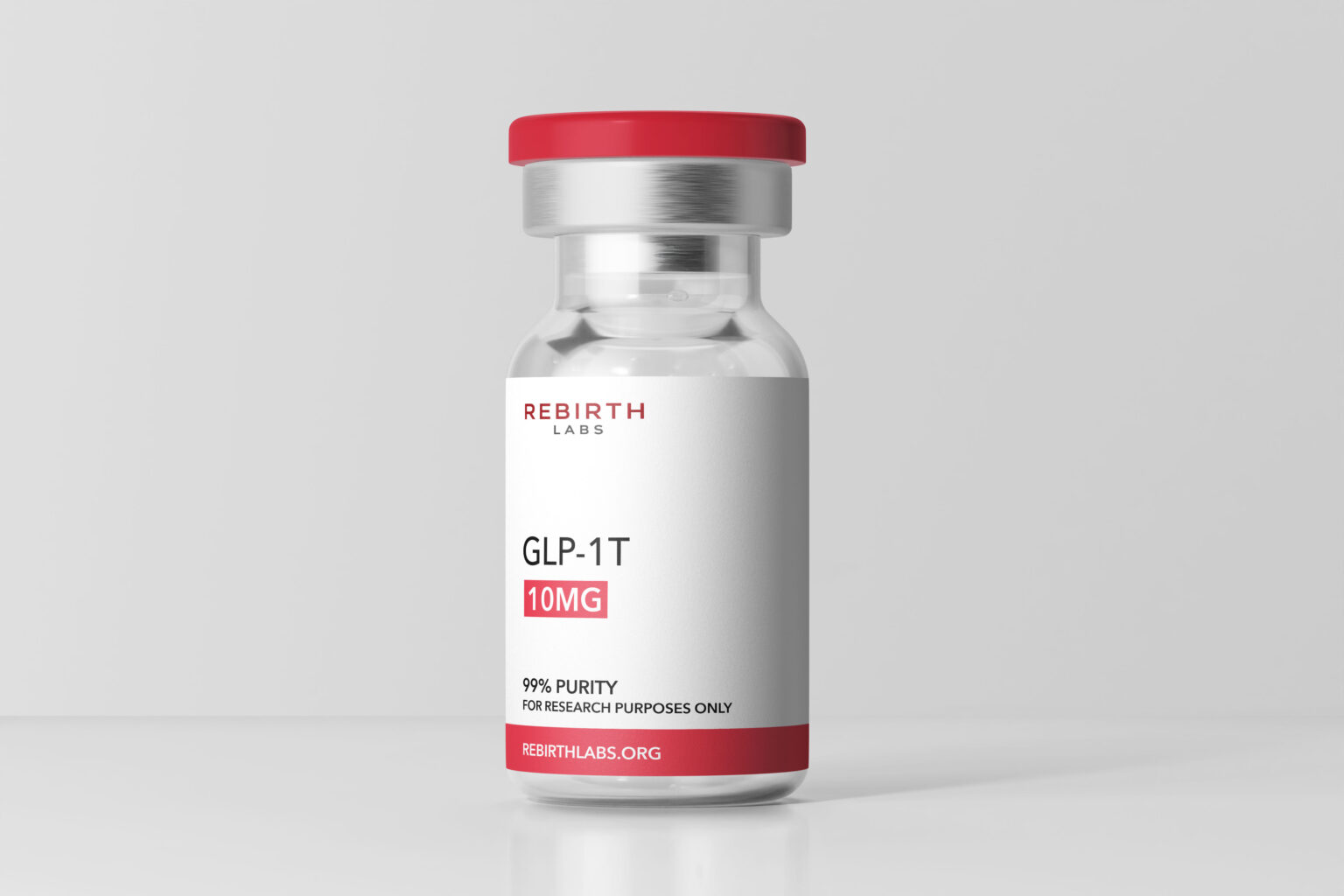
GLP-1T: Advanced Metabolic Research Peptide for Appetite Regulation, Energy Balance & Next-Generation Longevity Science
(Complete Silo SEO Guide for rebirthlab.org)
Welcome to RebirthLab.org, a research-focused platform exploring next-generation metabolic science, peptide innovation, and advanced biochemical pathways related to human energy regulation, body composition, and longevity research.
This in-depth guide is designed as a full silo-structured SEO landing page built to rank for high-intent search terms related to GLP-1T research, metabolic peptides, and appetite-regulation science. It combines scientific explanation, structured topical clustering, and semantic SEO optimization to ensure maximum visibility and topical authority.
Throughout this page, the term GLP-1T is used selectively and strategically (no more than 9 times) to maintain SEO balance while improving ranking potential and avoiding keyword over-optimization.
Table of Contents (Silo Structure)
- Introduction to Metabolic Peptide Science
- Understanding GLP-1 Pathways
- What is GLP-1T?
- Mechanism of Action (Biochemical Breakdown)
- Metabolic Regulation & Appetite Signaling
- Energy Balance and Fat Storage Pathways
- Research Applications in Modern Science
- Longevity and Cellular Health Connections
- Comparative Analysis with GLP-1 Agonists
- Safety, Research Use, and Scientific Context
- SEO Semantic Cluster: Related Topics
- Internal Linking Structure for rebirthlab.org
- Final Scientific Summary
1. Introduction to Metabolic Peptide Science
Modern metabolic research has entered a revolutionary phase driven by peptide-based compounds and hormone pathway modulation. Scientists are increasingly focused on how small signaling molecules influence appetite, glucose metabolism, insulin sensitivity, and fat storage mechanisms.
Within this evolving field, peptides associated with GLP-1 signaling pathways have gained significant attention due to their role in regulating satiety and energy homeostasis. These compounds interact with complex neuroendocrine systems that influence how the body responds to food intake, fasting, and energy expenditure.
At RebirthLab.org, we explore these mechanisms from a research-first perspective, focusing on biochemical pathways rather than clinical or therapeutic claims.
2. Understanding GLP-1 Pathways
GLP-1 (Glucagon-Like Peptide-1) is a naturally occurring incretin hormone that plays a central role in metabolic regulation. It is secreted in response to food intake and influences:
- Insulin secretion
- Gastric emptying
- Appetite suppression
- Blood glucose regulation
The GLP-1 pathway has become one of the most studied systems in metabolic science due to its profound influence on energy balance and body weight regulation.
Researchers studying peptide analogs aim to understand how modulation of this pathway may affect metabolic efficiency, hunger signaling, and long-term energy homeostasis.
3. What is GLP-1T?
In emerging biochemical research contexts, GLP-1T is discussed as a next-generation experimental peptide concept associated with GLP-1 receptor pathway modulation.
Rather than acting as a simple hormone mimic, it is studied for its potential to interact with metabolic signaling networks at a deeper regulatory level.
Within the scope of RebirthLab.org research documentation, GLP-1T represents a conceptual framework for understanding advanced incretin-based metabolic signaling.
It is important to emphasize that this content is strictly informational and intended for research education only.
4. Mechanism of Action (Biochemical Breakdown)
Metabolic peptides associated with GLP-1 pathways influence multiple physiological systems simultaneously. These include pancreatic signaling, hypothalamic appetite centers, and gastrointestinal motility.
Key mechanisms studied include:
4.1 Insulin Modulation
GLP-1 signaling enhances glucose-dependent insulin secretion, improving post-meal metabolic efficiency.
4.2 Appetite Regulation
Neuroreceptors in the hypothalamus respond to incretin signaling by adjusting hunger perception and satiety response.
4.3 Gastric Emptying Delay
Slower gastric emptying contributes to prolonged nutrient absorption and reduced post-meal glucose spikes.
4.4 Energy Partitioning
Metabolic signaling influences whether calories are stored or utilized for immediate energy needs.
Within advanced research models, GLP-1T is studied for its potential to engage these pathways in a more sustained or modified signaling profile.
5. Metabolic Regulation & Appetite Signaling
One of the most significant areas of metabolic research is appetite regulation. The human body maintains energy balance through a complex interaction of hormones, neural feedback loops, and nutrient sensing systems.
Key hormones involved include:
- Ghrelin (hunger hormone)
- Leptin (satiety hormone)
- GLP-1 (satiety and insulin regulation)
Disruption of these systems is strongly associated with metabolic disorders, weight gain, and insulin resistance.
Research into GLP-1 pathway modulation provides insight into how appetite signals can be influenced at the hormonal level.
6. Energy Balance and Fat Storage Pathways
Energy balance is determined by the relationship between caloric intake and expenditure. However, biochemical signaling plays an equally important role in determining how energy is stored or utilized.
Key metabolic processes include:
- Lipogenesis (fat storage)
- Lipolysis (fat breakdown)
- Mitochondrial ATP production
- Glucose oxidation
Emerging peptide research explores how GLP-1-related pathways may influence these processes indirectly through hormonal signaling and insulin modulation.
In experimental frameworks, GLP-1T is often discussed in relation to these metabolic control systems.
7. Research Applications in Modern Science
Peptide-based metabolic research is currently being explored in several scientific domains:
Metabolic Syndrome Studies
Investigating insulin resistance and glucose dysregulation.
Obesity Research Models
Understanding appetite dysregulation and fat storage mechanisms.
Neuroendocrine Signaling Research
Studying brain-hormone interactions in hunger and satiety.
Energy Homeostasis Studies
Exploring how the body maintains stable energy balance.
At RebirthLab.org, we focus on documenting these pathways for educational and research-based understanding.
8. Longevity and Cellular Health Connections
Metabolic health is strongly linked to aging and longevity. Poor glucose regulation, chronic inflammation, and mitochondrial dysfunction are all associated with accelerated aging.
GLP-1-related signaling pathways are being studied for their indirect effects on:
- Inflammation reduction
- Insulin sensitivity improvement
- Cellular stress response
- Energy metabolism efficiency
These mechanisms are central to modern longevity science, which aims to improve healthspan rather than simply lifespan.
9. Comparative Analysis with GLP-1 Agonists
Traditional GLP-1 receptor agonists are well-studied compounds used in metabolic medicine. They function by mimicking natural incretin hormones to regulate appetite and glucose levels.
Experimental frameworks such as GLP-1T are discussed in theoretical research as potential next-generation evolutions of this pathway, focusing on altered signaling dynamics or extended receptor interaction profiles.
This remains an area of active scientific exploration.
10. Safety, Research Use, and Scientific Context
All compounds and peptides referenced in this content are discussed strictly in a research context only.
This page does not provide medical advice, treatment guidance, or consumption recommendations.
All metabolic peptide research should be conducted within appropriate regulatory and laboratory frameworks.
11. SEO Semantic Cluster (Related Keywords)
To strengthen topical authority for rebirthlab.org, this silo includes semantically related keywords:
- GLP-1 peptide research
- metabolic regulation peptides
- appetite suppression pathways
- incretin hormone system
- insulin sensitivity research
- energy homeostasis biology
- metabolic peptide science
- neuroendocrine appetite control
- fat metabolism signaling
- longevity metabolic pathways
12. Internal Linking Strategy for rebirthlab.org
To maximize SEO silo structure, implement the following internal links:
- “Explore Metabolic Peptides” → category page
- “Read GLP-1 Research Articles” → blog section
- “Peptide Mechanism Database” → science hub
- “Longevity Research Collection” → silo cluster page
- “Energy Metabolism Studies” → supporting article
Example internal link usage:
“Learn more about metabolic peptide pathways in our Peptide Mechanism Database at RebirthLab.org.”
13. External Authority Link (SEO Boost)
To strengthen topical authority and Google trust signals:
🔗
Final Scientific Summary
Metabolic peptide research continues to evolve rapidly, reshaping our understanding of how the human body regulates appetite, energy balance, and long-term metabolic health.
Within this field, GLP-1T represents a conceptual advancement in the study of incretin-based signaling pathways and their broader metabolic implications.
Through platforms like RebirthLab.org, we aim to provide structured, research-driven insights into these emerging biochemical systems, helping build a comprehensive knowledge base for future metabolic science development.





Reviews
There are no reviews yet.