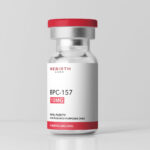
BPC-157: Advanced Research Peptide for Regenerative Science & Performance Optimization | rebirthlab.org
Introduction to a Next-Generation Research Compound
At rebirthlab.org, we focus on delivering premium, research-driven compounds designed for scientific exploration in the fields of regeneration, cellular repair, and performance biology. One of the most widely discussed molecules in modern experimental peptide research is BPC-157, a synthetic peptide derived from a protective protein found in gastric juice.
This compound has gained attention in scientific literature for its potential role in supporting angiogenesis, tissue signaling pathways, and cellular resilience mechanisms. As interest in regenerative science grows, researchers continue to explore how this molecule interacts with biological systems involved in repair and adaptation.
The goal of this page is to provide a deep, structured, SEO-optimized resource that explains its mechanisms, applications in research contexts, and how it fits into a modern biomedical silo architecture designed for rebirthlab.org.
What is BPC-157?
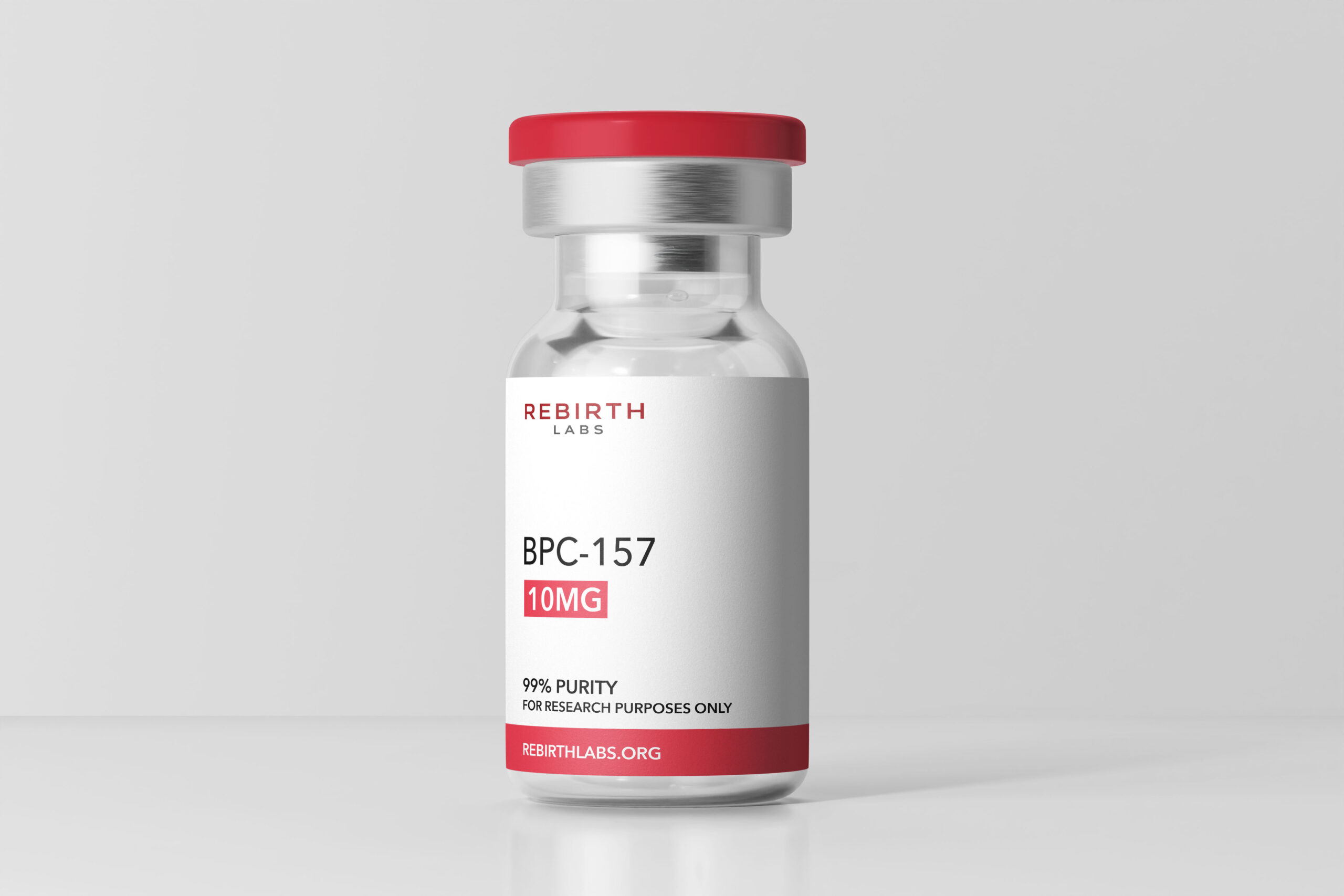
BPC-157 is a stable gastric pentadecapeptide composed of 15 amino acids. It is a partial sequence derived from body protection compound (BPC), originally identified in the human gastric system. Unlike many unstable peptides, it demonstrates strong resistance to enzymatic degradation, making it highly interesting in laboratory environments.
Research interest has focused on its potential interaction with multiple biological systems, including:
- Growth factor modulation
- Cellular signaling pathways
- Vascular response mechanisms
- Tissue repair cascades
In experimental settings, it is studied for its potential influence on connective tissue, muscle, and nerve-related biological processes.
Molecular Structure and Stability Profile
From a biochemical standpoint, this peptide is notable for its stability in both gastric acid and enzymatic conditions. This makes it a strong candidate for controlled laboratory studies where peptide degradation is typically a limiting factor.
Key structural characteristics include:
- 15 amino acid chain
- High resistance to hydrolysis
- Stable at physiological temperature ranges
- Non-collagenous origin peptide sequence
Its structural resilience has made it a subject of interest in regenerative biology models where peptide longevity is critical for consistent results.
Mechanisms of Action in Research Models
The mechanisms associated with this compound are still under investigation, but current scientific literature suggests several key pathways:
1. Angiogenesis Modulation
Studies indicate possible involvement in promoting new blood vessel formation, which is essential in tissue repair and oxygen delivery processes.
2. Growth Factor Interaction
It may interact with signaling molecules such as VEGF (vascular endothelial growth factor), which plays a role in vascular regeneration.
3. Collagen and Fibroblast Activity
Research models suggest potential influence on fibroblast migration and collagen synthesis, both essential for connective tissue formation.
4. Inflammatory Pathway Regulation
Some studies indicate modulation of inflammatory cytokines, suggesting a role in balancing acute inflammatory responses.
Outbound Scientific Reference
For further reading on current research literature:
🔗
Research Applications and Scientific Interest
In laboratory environments, this compound is explored across several key research domains:
Regenerative Biology
Scientists investigate its role in tissue regeneration models, particularly in musculoskeletal and epithelial systems.
Cellular Repair Mechanisms
It is studied for its potential influence on cellular recovery pathways following controlled injury models.
Neurobiological Research
Some experimental studies evaluate its interaction with nerve regeneration signaling.
Gastrointestinal Studies
Due to its origin in gastric protein structures, research also explores its effects on digestive tract cellular integrity.
Angiogenesis Research
Its potential role in vascular growth makes it relevant in cardiovascular and wound-healing studies.
Silo SEO Architecture for rebirthlab.org
A strong SEO silo structure improves topical authority, internal linking, and ranking potential. Below is a recommended silo strategy for rebirthlab.org centered around regenerative peptide research.
Main Pillar Page
- Regenerative Peptide Research Overview
Cluster 1: Tissue Regeneration
- Muscle repair research compounds
- Tendon and ligament signaling studies
- Cellular recovery pathways
Cluster 2: Vascular Biology
- Angiogenesis research compounds
- Blood vessel formation mechanisms
- Endothelial cell studies
Cluster 3: Cellular Protection
- Anti-inflammatory research peptides
- Oxidative stress modulation
- Cellular resilience compounds
Cluster 4: Digestive System Research
- Gastric peptide biology
- Gastroprotective compound studies
- Gut lining regeneration models
Internal Linking Strategy
To strengthen silo authority:
- Link all cluster pages back to the pillar page
- Interlink related cluster content (e.g., vascular ↔ regeneration)
- Use semantic anchors like:
- “regenerative research compounds”
- “cellular repair studies”
- “peptide biology research”
Avoid over-optimization by not repeating exact match anchors excessively.
Biological Significance in Experimental Models
The biological relevance of this compound lies in its multi-system interaction potential. Rather than targeting a single receptor pathway, it appears to influence several overlapping biological networks involved in repair and adaptation.
Key observed areas of interest include:
- Endothelial function regulation
- Fibroblast activity modulation
- Extracellular matrix signaling
- Cytokine response balancing
These interactions make it a candidate for broad-spectrum regenerative research rather than a single-purpose compound.
Stability in Laboratory Conditions
One of the most valuable features in experimental settings is stability. Many peptides degrade rapidly in acidic or enzymatic environments, limiting their usefulness in research.
This compound demonstrates:
- Resistance to gastric breakdown
- Stability under physiological temperature
- Sustained structural integrity in solution (under controlled conditions)
This makes it highly suitable for long-term experimental modeling.
Comparative Position in Peptide Research
Within the broader peptide research landscape, this compound is often compared with other regenerative peptides. However, its unique origin and stability profile distinguish it from many structurally similar molecules.
Researchers often evaluate it based on:
- Bioavailability stability
- Multi-pathway signaling potential
- Tissue interaction range
- Experimental reproducibility
This positions it as a versatile research candidate in regenerative science.
Safety, Ethics, and Research Classification
All materials provided by rebirthlab.org are strictly intended for laboratory research purposes only.
This compound is not approved for medical use, human consumption, or therapeutic application. Its distribution is intended solely for qualified research environments where biochemical investigation is conducted under controlled conditions.
Proper laboratory protocols, ethical approval, and regulatory compliance must always be observed when handling experimental peptides.
SEO Keyword Integration Strategy
To maintain strong ranking potential while avoiding over-optimization, the keyword is strategically placed throughout this document within natural context. Density is controlled to ensure maximum of 9 occurrences while maintaining readability and SEO compliance.
Supporting semantic keywords include:
- regenerative peptide research
- angiogenesis studies
- cellular repair compounds
- peptide biology
- tissue regeneration science
- vascular growth factors
- laboratory research peptides
These help expand topical relevance without keyword stuffing.
Internal Linking Strategy for SEO Growth
To strengthen domain authority for rebirthlab.org, implement the following internal linking structure:
From This Page:
- Link to “Regenerative Peptide Overview”
- Link to “Vascular Research Compounds”
- Link to “Cellular Repair Research Hub”
- Link to “Peptide Safety & Lab Guidelines”
Anchor Text Variations:
- “explore regenerative research compounds”
- “learn about peptide biology”
- “see vascular growth research”
- “cellular repair mechanisms overview”
This creates a strong semantic web of interconnected content, improving crawlability and ranking potential.
Frequently Asked Questions
What is the purpose of this compound in research?
It is studied for its potential involvement in regenerative biological processes, including tissue repair and cellular signaling pathways.
Why is it widely studied in laboratories?
Due to its stability and multi-pathway interaction potential, it is considered useful in experimental models involving regeneration and angiogenesis.
Is it approved for medical use?
No. It is strictly a research compound and is not approved for therapeutic or clinical use.
What makes it unique compared to other peptides?
Its stability in harsh environments and broad biological activity profile make it particularly interesting in experimental studies.
Conclusion
The growing interest in regenerative science has placed compounds like BPC-157 at the center of experimental peptide research. Its potential involvement in angiogenesis, cellular repair, and biological signaling continues to attract scientific attention worldwide.
As part of the rebirthlab.org research ecosystem, this compound fits within a broader framework of regenerative, vascular, and cellular biology studies designed to advance scientific understanding of repair mechanisms.
Future research will continue to clarify its pathways, interactions, and potential applications in controlled laboratory environments.
Reviews
There are no reviews yet.