
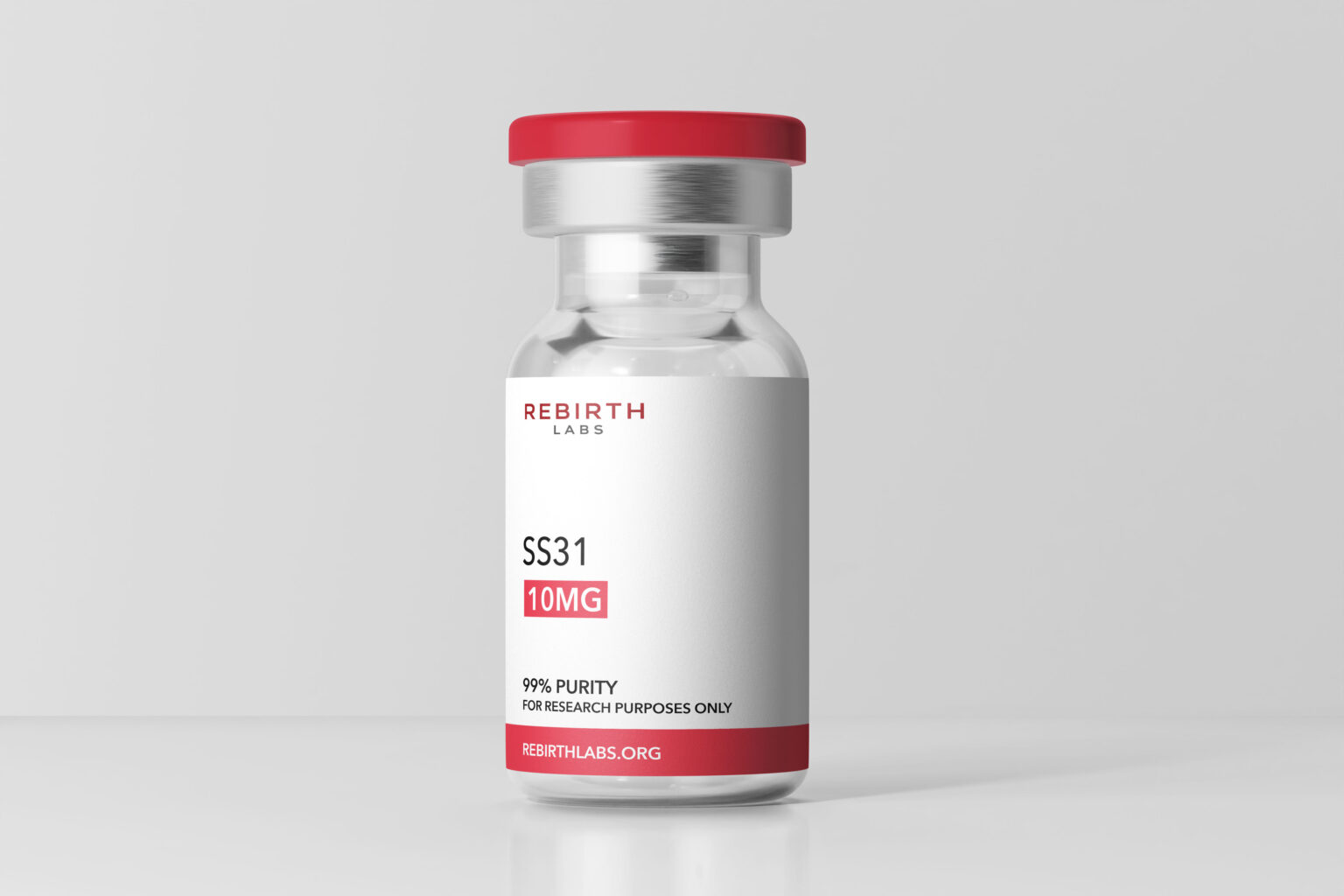
SS31 Peptide: A Complete Guide to Mitochondrial Health, Anti-Aging, and Cellular Performance
In today’s rapidly evolving world of health optimization and advanced research compounds, SS31 has emerged as one of the most promising peptides for mitochondrial support, cellular repair, and longevity-focused applications. As interest grows among researchers, biohackers, and health enthusiasts, understanding how SS31 works—and where to source high-quality compounds—has become increasingly important.
At Rebirth Lab (https://rebirthlab.org), the focus is on delivering premium-grade research compounds backed by quality assurance and transparency. This guide explores everything you need to know about SS31, from its mechanism of action to its potential benefits, applications, and why sourcing matters.
What Is SS31?
SS31, also known as Elamipretide, is a synthetic peptide designed to target and protect mitochondria—the energy-producing structures inside cells. Unlike many compounds that act broadly within the body, SS31 is unique because it specifically binds to cardiolipin, a lipid found in the inner mitochondrial membrane.
This targeted interaction helps stabilize mitochondrial function, reduce oxidative stress, and improve cellular energy production. Because mitochondrial dysfunction is linked to aging and many chronic conditions, SS31 has gained attention as a potential tool for enhancing cellular resilience and overall vitality.
Why Mitochondrial Health Matters
Mitochondria are often referred to as the “powerhouses” of the cell, but their role goes far beyond energy production. They are involved in:
- Regulating metabolism
- Controlling cell death (apoptosis)
- Managing oxidative stress
- Supporting muscle and brain function
As we age, mitochondrial efficiency declines. This leads to reduced energy levels, slower recovery, and increased susceptibility to disease. Supporting mitochondrial health is therefore a cornerstone of longevity and performance optimization.
SS31 stands out because it doesn’t just stimulate mitochondria—it helps repair and protect them at a structural level.
How SS31 Works
The mechanism of SS31 is what makes it particularly compelling. Once administered, the peptide:
- Penetrates cell membranes بسهولة
- Accumulates in the mitochondria
- Binds to cardiolipin
- Stabilizes the electron transport chain
- Reduces the production of reactive oxygen species (ROS)
By improving the efficiency of the electron transport chain, SS31 helps cells generate energy more effectively while minimizing damage caused by oxidative stress.
This dual action—enhancing energy production and reducing damage—is key to its growing popularity in research settings.
Potential Benefits of SS31
1. Enhanced Cellular Energy
One of the most noticeable effects associated with SS31 is improved energy production at the cellular level. This can translate into better physical performance and reduced fatigue.
2. Anti-Aging Support
Since mitochondrial decline is a hallmark of aging, protecting these structures may slow down age-related cellular deterioration.
3. Muscle Recovery and Endurance
Research suggests that it may help improve muscle function, making it attractive for those studying exercise performance and recovery.
4. Neuroprotection
The brain is highly dependent on mitochondrial energy. Supporting mitochondrial health may contribute to improved cognitive resilience.
5. Cardiovascular Support
Healthy mitochondria are essential for heart function, and it has been studied for its potential role in supporting cardiac efficiency.
Research Applications
It is currently being explored in a variety of scientific and experimental contexts, including:
- Age-related mitochondrial dysfunction
- Muscle fatigue and weakness
- Neurodegenerative conditions
- Cardiovascular health studies
- Metabolic disorders
While ongoing research continues to expand our understanding, it’s clear that mitochondrial-targeted peptides like it represent a new frontier in biomedical science.
Quality Matters: Choosing the Right Source
Not all research compounds are created equal. Purity, stability, and manufacturing standards play a critical role in the effectiveness and reliability of any peptide.
At Rebirth Lab, strict quality control measures are implemented to ensure:
- High purity levels
- Consistent formulation
- Proper storage and handling
- Transparent sourcing practices
This commitment to quality makes a significant difference, especially for researchers who rely on consistency and accuracy in their work.
Why Rebirth Lab Stands Out
When sourcing advanced research compounds, trust is essential. Rebirth Lab has built a reputation around reliability and integrity by focusing on:
1. Premium-Grade Products
Every compound undergoes rigorous testing to ensure it meets high standards.
2. Transparency
Clear product information and sourcing details help users make informed decisions.
3. Research-Focused Approach
Products are designed specifically for laboratory and research applications.
4. Customer Support
Dedicated support ensures that users have access to accurate information and guidance.
Understanding the Growing Popularity of SS31
The rise of SS31 reflects a broader shift in health and scientific research toward targeting root causes rather than symptoms. Instead of simply addressing surface-level issues, compounds like it aim to improve fundamental cellular processes.
This approach aligns with modern trends in:
- Longevity science
- Functional medicine
- Performance optimization
- Preventive health strategies
As awareness continues to grow, it is likely to remain at the forefront of mitochondrial research.
Storage and Handling Considerations
To maintain stability and effectiveness, proper handling of peptide compounds is essential. General guidelines include:
- Store in a cool, dry environment
- Avoid exposure to direct light
- Use appropriate reconstitution methods
- Follow laboratory best practices
Ensuring correct storage helps preserve the integrity of the compound for research purposes.
The Science Behind Mitochondrial Protection
Mitochondria are highly sensitive to oxidative stress. When damaged, they produce less energy and more harmful byproducts, creating a cycle of decline.
it interrupts this cycle by:
- Protecting mitochondrial membranes
- Reducing oxidative damage
- Supporting efficient energy transfer
This makes it a valuable subject of study for researchers interested in cellular longevity and resilience.
Comparing SS31 to Other Peptides
While many peptides offer benefits related to growth, repair, or signaling, SS31 is distinct because of its mitochondrial specificity.
Key differences include:
- Direct targeting of mitochondria
- Focus on energy production
- Reduction of oxidative stress at the source
This specialization sets it apart from more general peptides and highlights its unique role in research.
Future Outlook
The future of mitochondrial medicine is promising, and it is likely to play a significant role in ongoing developments. As research advances, potential applications may expand further into:
- Age-related health optimization
- Advanced metabolic therapies
- Performance enhancement strategies
Continued exploration will help clarify its full range of benefits and applications.
Final Thoughts
It represents a powerful advancement in the field of mitochondrial research. By addressing cellular energy production and oxidative stress at their core, it offers a unique approach to understanding and potentially improving human health at a fundamental level.
For those seeking high-quality research compounds, Rebirth Lab provides a trusted platform backed by quality assurance and a commitment to excellence.
As the science of longevity and cellular optimization continues to evolve, compounds like SS31 are shaping the future of research and redefining what’s possible in the pursuit of better health and performance.

SS31 Peptide: A Complete Guide to Mitochondrial Health, Anti-Aging, and Cellular Performance
In today’s rapidly evolving world of health optimization and advanced research compounds, SS31 has emerged as one of the most promising peptides for mitochondrial support, cellular repair, and longevity-focused applications. As interest grows among researchers, biohackers, and health enthusiasts, understanding how SS31 works—and where to source high-quality compounds—has become increasingly important.
At Rebirth Lab (https://rebirthlab.org), the focus is on delivering premium-grade research compounds backed by quality assurance and transparency. This guide explores everything you need to know about SS31, from its mechanism of action to its potential benefits, applications, and why sourcing matters.
What Is SS31?
SS31, also known as Elamipretide, is a synthetic peptide designed to target and protect mitochondria—the energy-producing structures inside cells. Unlike many compounds that act broadly within the body, SS31 is unique because it specifically binds to cardiolipin, a lipid found in the inner mitochondrial membrane.
This targeted interaction helps stabilize mitochondrial function, reduce oxidative stress, and improve cellular energy production. Because mitochondrial dysfunction is linked to aging and many chronic conditions, SS31 has gained attention as a potential tool for enhancing cellular resilience and overall vitality.
Why Mitochondrial Health Matters
Mitochondria are often referred to as the “powerhouses” of the cell, but their role goes far beyond energy production. They are involved in:
- Regulating metabolism
- Controlling cell death (apoptosis)
- Managing oxidative stress
- Supporting muscle and brain function
As we age, mitochondrial efficiency declines. This leads to reduced energy levels, slower recovery, and increased susceptibility to disease. Supporting mitochondrial health is therefore a cornerstone of longevity and performance optimization.
SS31 stands out because it doesn’t just stimulate mitochondria—it helps repair and protect them at a structural level.
How SS31 Works
The mechanism of SS31 is what makes it particularly compelling. Once administered, the peptide:
- Penetrates cell membranes بسهولة
- Accumulates in the mitochondria
- Binds to cardiolipin
- Stabilizes the electron transport chain
- Reduces the production of reactive oxygen species (ROS)
By improving the efficiency of the electron transport chain, SS31 helps cells generate energy more effectively while minimizing damage caused by oxidative stress.
This dual action—enhancing energy production and reducing damage—is key to its growing popularity in research settings.
Potential Benefits of SS31
1. Enhanced Cellular Energy
One of the most noticeable effects associated with SS31 is improved energy production at the cellular level. This can translate into better physical performance and reduced fatigue.
2. Anti-Aging Support
Since mitochondrial decline is a hallmark of aging, protecting these structures may slow down age-related cellular deterioration.
3. Muscle Recovery and Endurance
Research suggests that it may help improve muscle function, making it attractive for those studying exercise performance and recovery.
4. Neuroprotection
The brain is highly dependent on mitochondrial energy. Supporting mitochondrial health may contribute to improved cognitive resilience.
5. Cardiovascular Support
Healthy mitochondria are essential for heart function, and it has been studied for its potential role in supporting cardiac efficiency.
Research Applications
It is currently being explored in a variety of scientific and experimental contexts, including:
- Age-related mitochondrial dysfunction
- Muscle fatigue and weakness
- Neurodegenerative conditions
- Cardiovascular health studies
- Metabolic disorders
While ongoing research continues to expand our understanding, it’s clear that mitochondrial-targeted peptides like it represent a new frontier in biomedical science.
Quality Matters: Choosing the Right Source
Not all research compounds are created equal. Purity, stability, and manufacturing standards play a critical role in the effectiveness and reliability of any peptide.
At Rebirth Lab, strict quality control measures are implemented to ensure:
- High purity levels
- Consistent formulation
- Proper storage and handling
- Transparent sourcing practices
This commitment to quality makes a significant difference, especially for researchers who rely on consistency and accuracy in their work.
Why Rebirth Lab Stands Out
When sourcing advanced research compounds, trust is essential. Rebirth Lab has built a reputation around reliability and integrity by focusing on:
1. Premium-Grade Products
Every compound undergoes rigorous testing to ensure it meets high standards.
2. Transparency
Clear product information and sourcing details help users make informed decisions.
3. Research-Focused Approach
Products are designed specifically for laboratory and research applications.
4. Customer Support
Dedicated support ensures that users have access to accurate information and guidance.
Understanding the Growing Popularity of SS31
The rise of SS31 reflects a broader shift in health and scientific research toward targeting root causes rather than symptoms. Instead of simply addressing surface-level issues, compounds like it aim to improve fundamental cellular processes.
This approach aligns with modern trends in:
- Longevity science
- Functional medicine
- Performance optimization
- Preventive health strategies
As awareness continues to grow, it is likely to remain at the forefront of mitochondrial research.
Storage and Handling Considerations
To maintain stability and effectiveness, proper handling of peptide compounds is essential. General guidelines include:
- Store in a cool, dry environment
- Avoid exposure to direct light
- Use appropriate reconstitution methods
- Follow laboratory best practices
Ensuring correct storage helps preserve the integrity of the compound for research purposes.
The Science Behind Mitochondrial Protection
Mitochondria are highly sensitive to oxidative stress. When damaged, they produce less energy and more harmful byproducts, creating a cycle of decline.
it interrupts this cycle by:
- Protecting mitochondrial membranes
- Reducing oxidative damage
- Supporting efficient energy transfer
This makes it a valuable subject of study for researchers interested in cellular longevity and resilience.
Comparing SS31 to Other Peptides
While many peptides offer benefits related to growth, repair, or signaling, SS31 is distinct because of its mitochondrial specificity.
Key differences include:
- Direct targeting of mitochondria
- Focus on energy production
- Reduction of oxidative stress at the source
This specialization sets it apart from more general peptides and highlights its unique role in research.
Future Outlook
The future of mitochondrial medicine is promising, and it is likely to play a significant role in ongoing developments. As research advances, potential applications may expand further into:
- Age-related health optimization
- Advanced metabolic therapies
- Performance enhancement strategies
Continued exploration will help clarify its full range of benefits and applications.
Final Thoughts
It represents a powerful advancement in the field of mitochondrial research. By addressing cellular energy production and oxidative stress at their core, it offers a unique approach to understanding and potentially improving human health at a fundamental level.
For those seeking high-quality research compounds, Rebirth Lab provides a trusted platform backed by quality assurance and a commitment to excellence.
As the science of longevity and cellular optimization continues to evolve, compounds like SS31 are shaping the future of research and redefining what’s possible in the pursuit of better health and performance.
SS31 Peptide: A Complete Guide to Mitochondrial Health, Anti-Aging, and Cellular Performance
In today’s rapidly evolving world of health optimization and advanced research compounds, SS31 has emerged as one of the most promising peptides for mitochondrial support, cellular repair, and longevity-focused applications. As interest grows among researchers, biohackers, and health enthusiasts, understanding how SS31 works—and where to source high-quality compounds—has become increasingly important.
At Rebirth Lab (https://rebirthlab.org), the focus is on delivering premium-grade research compounds backed by quality assurance and transparency. This guide explores everything you need to know about SS31, from its mechanism of action to its potential benefits, applications, and why sourcing matters.
What Is SS31?
SS31, also known as Elamipretide, is a synthetic peptide designed to target and protect mitochondria—the energy-producing structures inside cells. Unlike many compounds that act broadly within the body, SS31 is unique because it specifically binds to cardiolipin, a lipid found in the inner mitochondrial membrane.
This targeted interaction helps stabilize mitochondrial function, reduce oxidative stress, and improve cellular energy production. Because mitochondrial dysfunction is linked to aging and many chronic conditions, SS31 has gained attention as a potential tool for enhancing cellular resilience and overall vitality.
Why Mitochondrial Health Matters
Mitochondria are often referred to as the “powerhouses” of the cell, but their role goes far beyond energy production. They are involved in:
- Regulating metabolism
- Controlling cell death (apoptosis)
- Managing oxidative stress
- Supporting muscle and brain function
As we age, mitochondrial efficiency declines. This leads to reduced energy levels, slower recovery, and increased susceptibility to disease. Supporting mitochondrial health is therefore a cornerstone of longevity and performance optimization.
SS31 stands out because it doesn’t just stimulate mitochondria—it helps repair and protect them at a structural level.
How SS31 Works
The mechanism of SS31 is what makes it particularly compelling. Once administered, the peptide:
- Penetrates cell membranes بسهولة
- Accumulates in the mitochondria
- Binds to cardiolipin
- Stabilizes the electron transport chain
- Reduces the production of reactive oxygen species (ROS)
By improving the efficiency of the electron transport chain, SS31 helps cells generate energy more effectively while minimizing damage caused by oxidative stress.
This dual action—enhancing energy production and reducing damage—is key to its growing popularity in research settings.
Potential Benefits of SS31
1. Enhanced Cellular Energy
One of the most noticeable effects associated with SS31 is improved energy production at the cellular level. This can translate into better physical performance and reduced fatigue.
2. Anti-Aging Support
Since mitochondrial decline is a hallmark of aging, protecting these structures may slow down age-related cellular deterioration.
3. Muscle Recovery and Endurance
Research suggests that it may help improve muscle function, making it attractive for those studying exercise performance and recovery.
4. Neuroprotection
The brain is highly dependent on mitochondrial energy. Supporting mitochondrial health may contribute to improved cognitive resilience.
5. Cardiovascular Support
Healthy mitochondria are essential for heart function, and it has been studied for its potential role in supporting cardiac efficiency.
Research Applications
It is currently being explored in a variety of scientific and experimental contexts, including:
- Age-related mitochondrial dysfunction
- Muscle fatigue and weakness
- Neurodegenerative conditions
- Cardiovascular health studies
- Metabolic disorders
While ongoing research continues to expand our understanding, it’s clear that mitochondrial-targeted peptides like it represent a new frontier in biomedical science.
Quality Matters: Choosing the Right Source
Not all research compounds are created equal. Purity, stability, and manufacturing standards play a critical role in the effectiveness and reliability of any peptide.
At Rebirth Lab, strict quality control measures are implemented to ensure:
- High purity levels
- Consistent formulation
- Proper storage and handling
- Transparent sourcing practices
This commitment to quality makes a significant difference, especially for researchers who rely on consistency and accuracy in their work.
Why Rebirth Lab Stands Out
When sourcing advanced research compounds, trust is essential. Rebirth Lab has built a reputation around reliability and integrity by focusing on:
1. Premium-Grade Products
Every compound undergoes rigorous testing to ensure it meets high standards.
2. Transparency
Clear product information and sourcing details help users make informed decisions.
3. Research-Focused Approach
Products are designed specifically for laboratory and research applications.
4. Customer Support
Dedicated support ensures that users have access to accurate information and guidance.
Understanding the Growing Popularity of SS31
The rise of SS31 reflects a broader shift in health and scientific research toward targeting root causes rather than symptoms. Instead of simply addressing surface-level issues, compounds like it aim to improve fundamental cellular processes.
This approach aligns with modern trends in:
- Longevity science
- Functional medicine
- Performance optimization
- Preventive health strategies
As awareness continues to grow, it is likely to remain at the forefront of mitochondrial research.
Storage and Handling Considerations
To maintain stability and effectiveness, proper handling of peptide compounds is essential. General guidelines include:
- Store in a cool, dry environment
- Avoid exposure to direct light
- Use appropriate reconstitution methods
- Follow laboratory best practices
Ensuring correct storage helps preserve the integrity of the compound for research purposes.
The Science Behind Mitochondrial Protection
Mitochondria are highly sensitive to oxidative stress. When damaged, they produce less energy and more harmful byproducts, creating a cycle of decline.
it interrupts this cycle by:
- Protecting mitochondrial membranes
- Reducing oxidative damage
- Supporting efficient energy transfer
This makes it a valuable subject of study for researchers interested in cellular longevity and resilience.
Comparing SS31 to Other Peptides
While many peptides offer benefits related to growth, repair, or signaling, SS31 is distinct because of its mitochondrial specificity.
Key differences include:
- Direct targeting of mitochondria
- Focus on energy production
- Reduction of oxidative stress at the source
This specialization sets it apart from more general peptides and highlights its unique role in research.
Future Outlook
The future of mitochondrial medicine is promising, and it is likely to play a significant role in ongoing developments. As research advances, potential applications may expand further into:
- Age-related health optimization
- Advanced metabolic therapies
- Performance enhancement strategies
Continued exploration will help clarify its full range of benefits and applications.
Final Thoughts
It represents a powerful advancement in the field of mitochondrial research. By addressing cellular energy production and oxidative stress at their core, it offers a unique approach to understanding and potentially improving human health at a fundamental level.
For those seeking high-quality research compounds, Rebirth Lab provides a trusted platform backed by quality assurance and a commitment to excellence.
As the science of longevity and cellular optimization continues to evolve, compounds like SS31 are shaping the future of research and redefining what’s possible in the pursuit of better health and performance.
Reviews
There are no reviews yet.